 ultimate-guide
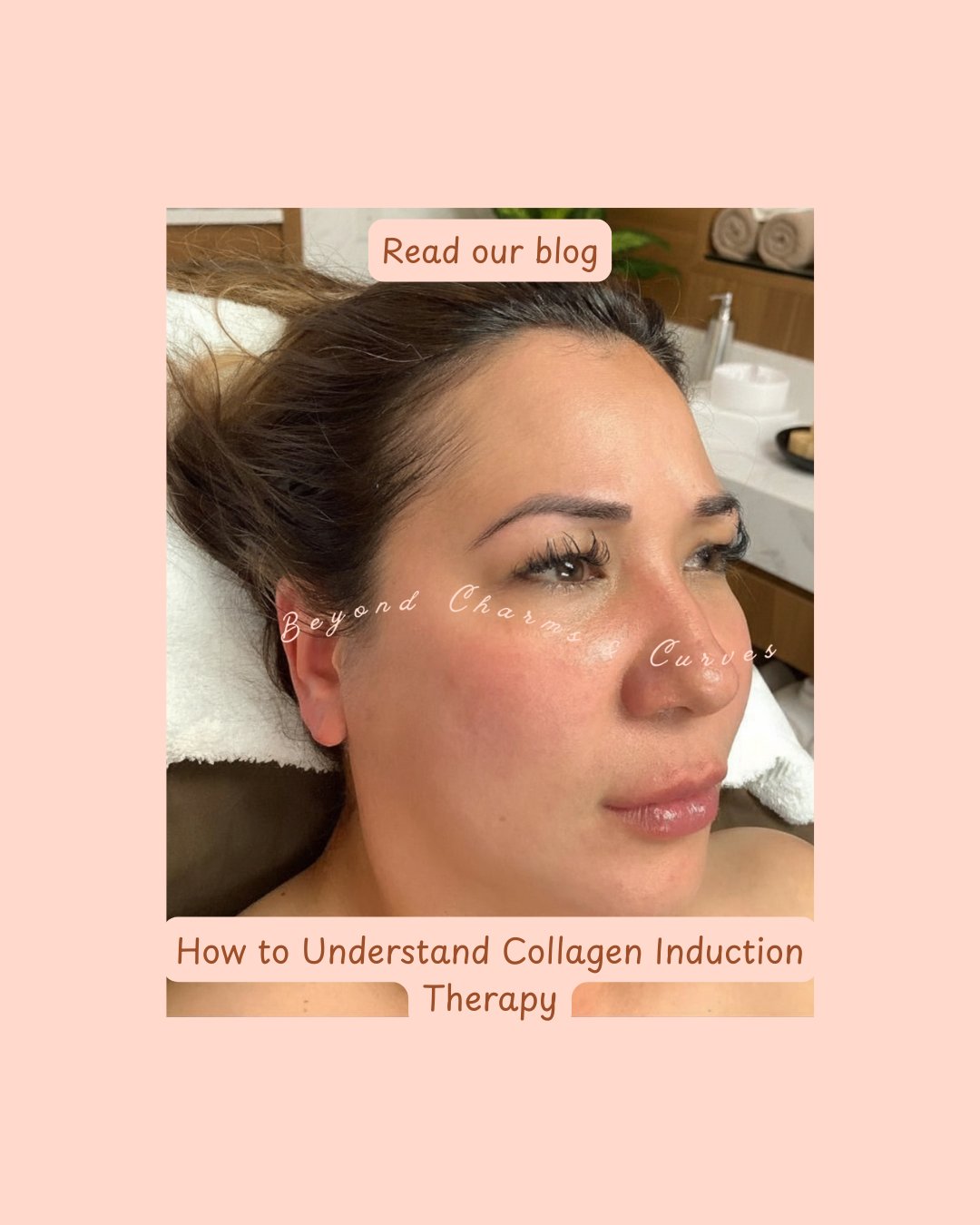
How to Understand Collagen Induction Therapy
Last Updated: November 8, 2026
Quick Summary
Collagen induction therapy is a minimally invasive procedure that uses tiny needle punctures to prompt your skin to rebuild its own collagen and elastin. It is often described as controlled micro-injury, and the repair can create firmer texture over time.
- Collagen induction therapy typically targets the deeper layers of skin where collagen and elastin are built.
- Redness like a mild sunburn is common for the first day, and tightness usually settles within two to three days.
- Collagen change takes longer and often builds over several weeks after a series of sessions.
- Less common risks include infection, cold sore flare-ups, and post-inflammatory hyperpigmentation, particularly in darker skin tones.
- Booking starts with a consultation, not a treatment, so a provider can confirm whether collagen induction fits your goals.
Table of Contents
- What Collagen Induction Therapy Actually Does to Your Skin
- Microneedling Benefits for Skin: Firmness, Texture, and Tone
- Microneedling Recovery Time: What the First 72 Hours Look Like
- Microneedling Results Timeline: When You Will See a Change
- Microneedling Risks and Side Effects You Should Know
- How Collagen Induction Compares to Other Skin Tightening Options
- Booking Your Collagen Induction Consultation
- Frequently Asked Questions
What Collagen Induction Therapy Actually Does to Your Skin
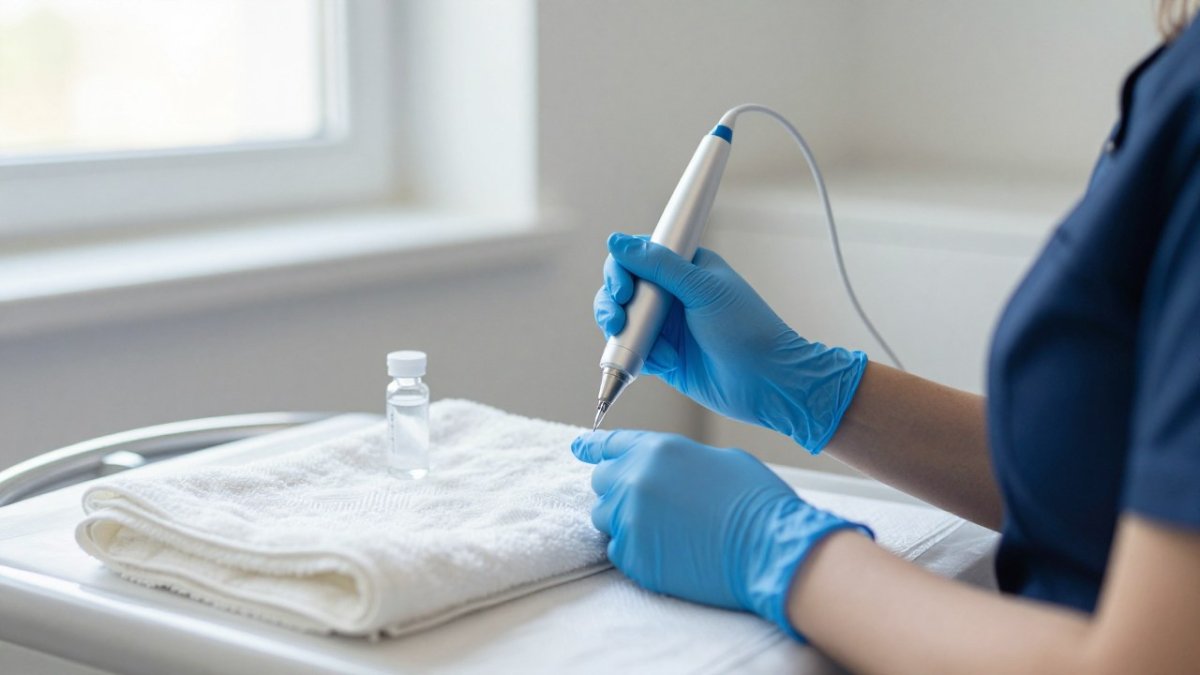
Collagen induction therapy is a minimally invasive procedure that uses tiny needle punctures to prompt your skin to rebuild its own collagen and elastin. It is often described as controlled micro-injury: the skin repairs itself, and the repair can create firmer texture over time.
The concept is simple. Fine needles create thousands of micro-channels in the deeper layers of skin. Your body reads those channels as small wounds and responds by sending collagen production into overdrive. New collagen fills the skin from below, which can soften fine lines and improve skin texture.
The Difference Between Collagen Induction and Standard Microneedling
The two terms overlap, but they describe different depths of the same idea. Standard microneedling often refers to cosmetic needling at shallower depths, aimed at surface texture and product absorption. Collagen induction therapy typically targets the deeper layers of skin where collagen and elastin are built.
Depth is the deciding factor. A shallow pass refreshes the surface. A deeper, medically guided pass reaches the dermis, where structural change happens. That is why collagen induction is usually performed by trained providers rather than as an at-home routine. If your concern is deep wrinkles rather than surface dullness, what to expect from microneedling for deep facial wrinkles walks through the realistic differences.
Microneedling Benefits for Skin: Firmness, Texture, and Tone
Microneedling is often discussed in terms of three areas: firmness, texture, and tone. Collagen stimulation rebuilds support under the skin, which can improve skin firmness and soften the look of fine lines. Repeated sessions may also even out skin texture and reduce the appearance of dark spots left by sun damage.
- Firmness: new collagen adds structural support, which can reduce the look of sagging skin
- Texture: micro-channels smooth rough patches and refine pores over a series of sessions
- Tone: collagen remodeling can help fade post-acne marks and sun-related discoloration
It is not a facelift, and we are honest about that. Loose skin with significant laxity may need a different approach. For aging skin specifically, five reasons microneedling works for aging skin explains where the treatment helps most.
Microneedling Recovery Time: What the First 72 Hours Look Like
Redness similar to a mild sunburn is common for the first day, and many people return to work the next day with light makeup if needed. Mild swelling and tightness usually settle within two to three days.
The first 72 hours matter most for results. Your skin is actively repairing, so sun protection and gentle care protect the work your body is doing.
- Day 1: redness, warmth, mild tightness; skip makeup and strenuous exercise
- Day 2: redness fades to pink; use a gentle cleanser and bland moisturizer
- Day 3: most surface irritation resolves; sunscreen becomes non-negotiable
Watch out: picking at flaking skin or using active ingredients like retinol too soon can irritate healing skin and set recovery back. For a full before-and-after routine, how to prepare for microneedling treatment at home covers what to do in the days around your session.
Microneedling Results Timeline: When You Will See a Change
Results are generally gradual rather than instant. Some people notice a slight glow within a week as surface healing finishes, while collagen change takes longer and often builds over several weeks, with firmness and texture improvements appearing after a series of sessions.
A common mistake is judging results after one treatment. Collagen induction works in cycles, and providers usually plan multiple sessions spaced several weeks apart. Your skin needs that gap to rebuild between appointments. Plan on evaluating progress at the series level, not the single-session level.
How Age, Laxity, and Treatment Area Change the Outcome
Results are not the same for everyone, and honest providers say so. A person in their 30s with early fine lines and good skin elasticity often sees texture and tone improve within one series. A person in their 50s with noticeable laxity may see modest firmness gains but should not expect a lift. The difference is baseline collagen reserve and how much structural support the skin still has.
Treatment area matters too. Thin skin around the eyes and neck responds differently than thicker skin on the cheeks or body. Areas with more movement and thinner tissue tend to show subtler change and may need more sessions. Distinguishing modest improvement from surgical lifting results is important: collagen induction can soften and refine, but it does not remove excess skin.
How Long Results Last and What Maintenance Looks Like
Durability varies with age, skin type, sun exposure, and lifestyle. Results generally build over a series and may gradually fade as natural collagen loss continues. Maintenance sessions can help sustain the improvement. Sun protection and a consistent skincare routine influence how long results hold.
Expecting a single session to hold long-term can lead to disappointment, so plan for a series.
Microneedling Risks and Side Effects You Should Know
Microneedling risks and side effects are usually mild and temporary. The most common are redness, swelling, and pinpoint bleeding during the procedure, plus dryness and flaking afterward. These typically resolve within a few days. Because these effects are generally short-lived, common microneedling questions often focus on what to expect during recovery and when to seek advice.
Less common risks include infection, cold sore flare-ups in people with a history of them, and post-inflammatory hyperpigmentation, particularly in darker skin tones. That last point is why skin type and skin tone assessment matters before treatment. A qualified provider adjusts depth and technique to reduce that risk.
If you develop spreading redness, warmth, fever, or increasing pain after treatment, contact your provider promptly, since those can signal infection. Your safety depends on a consultation in which a provider screens for contraindications.
How Collagen Induction Compares to Other Skin Tightening Options
Collagen induction is one option among several non-surgical treatments, and each suits different concerns. The table below compares the main categories by how deep they reach, what they are best at, typical session counts, downtime, and where they fall short. Use it to build a shortlist, not to self-diagnose.
Treatment | How It Works | Depth | Best For | Typical Sessions | Downtime | Result Timeline | Main Limitation |
|---|---|---|---|---|---|---|---|
Collagen induction (microneedling) | Fine needles create micro-channels that trigger collagen and elastin rebuilding | Dermis | Texture, fine lines, scars, pores | 3-6, spaced 4-6 weeks | 1-3 days | 4-6 weeks per session; builds over series | Modest tightening; not for significant laxity |
Radiofrequency | Thermal energy heats deeper layers to contract and stimulate collagen | Dermis and fat layer | Mild skin laxity, firmness | 3-6 | Minimal | 6-12 weeks | Results subtle; multiple sessions needed |
Focused ultrasound | Ultrasound energy creates small coagulation points deep in tissue | Deep dermis and SMAS layer | Skin laxity on face and neck | 1-3 | Minimal to a few days | 8-12 weeks | Discomfort; not for thin skin |
Laser resurfacing | Fractional laser removes surface layers and triggers repair | Epidermis and upper dermis | Wrinkles, sun damage, tone | 1-3 | Several days | 2-4 weeks | Pigment risk in darker skin tones |
Intense pulsed light | Broad-spectrum light targets pigment and redness | Epidermis | Dark spots, redness | 3-5 | Minimal | 2-4 weeks | Not a tightening treatment |
The right choice depends on your skin laxity, your skin type, and how much downtime you can accept. Collagen induction tends to suit people who want gradual improvement with limited recovery. Radiofrequency and ultrasound focus more on tightening. Laser resurfacing and intense pulsed light address pigment and surface damage more directly.
A common pattern is that providers combine options in a set order. Collagen induction may be paired with other treatments in a set order, depending on the individual plan. Sequencing matters because each treatment changes the skin barrier and collagen response, and stacking them too close together can raise irritation risk. If you are weighing the wider menu, non-invasive skin tightening treatments gives a side-by-side rundown to bring to your consultation.
Choosing a treatment based on a single before-and-after photo, rather than your own laxity and skin type, can lead to disappointment.
Typical Session Counts for Skin Tightening Treatments
Booking Your Collagen Induction Consultation
Booking starts with a consultation, not a treatment. A provider reviews your skin, your history, and your goals, then confirms whether collagen induction fits or whether another option serves you better. Bring your questions, including downtime, cost, and how many sessions your plan likely needs.
At Beyond Charms & Curves, we use FDA-cleared devices and professional-grade skincare, and we tailor each treatment plan to your goals. You can book a microneedling session to get started.
The hardest part is often knowing which treatment actually matches your skin. That is a conversation, not a guess. Beyond Charms & Curves offers physician-guided consultations, customized treatment plans, and FDA-cleared devices so you can decide with clear information instead of pressure. Get started with Beyond Charms & Curves and build a plan that fits your skin and your schedule.
Frequently Asked Questions
Is collagen induction therapy the same as microneedling?
Collagen induction therapy is the clinical name for the result microneedling produces. A practitioner creates tiny controlled punctures in the skin, and your body responds by building new collagen and elastin. Many clinics use the terms interchangeably, though some reserve collagen induction therapy for deeper, medical-grade device sessions rather than lighter cosmetic needling. Ask your provider which device and depth they plan to use so you know what you are getting.
How long does it take to see results from collagen induction therapy?
Some people notice improved skin texture and glow as surface healing finishes. Firmer skin, softened fine lines, and better tone build more slowly because new collagen takes time to form, often over a series of sessions. Your age, skin laxity, and treatment area all affect how quickly you see a change.
What are the risks and side effects of collagen induction therapy?
Common side effects include redness, mild swelling, and pinpoint bleeding right after treatment, plus dryness and flaking for a few days. These usually settle within a week. Less common risks include infection, post-inflammatory hyperpigmentation, and cold sore flare-ups in people with a history of them. A licensed provider who assesses your skin type and tone can help reduce these risks. Tell your provider about any medications or skin conditions first.
Is collagen induction therapy safe for all skin types and tones?
Microneedling is generally considered suitable for a wide range of skin types and tones because it does not rely on heat or light. That said, deeper skin tones have a higher risk of post-inflammatory hyperpigmentation, so provider technique and aftercare matter. People with active acne, eczema, rosacea flares, or certain medical conditions may need to wait or choose a different option. A consultation lets a licensed provider assess your skin and confirm candidacy.