 blog
5 Reasons Microneedling Works for Aging Skin
Last Updated: October 25, 2026
Quick Summary
Microneedling aging skin works by using tiny needles to create controlled micro-injuries that trigger your body's natural healing response, stimulating collagen and elastin production to address fine lines, wrinkles, loss of firmness, and uneven texture. Results appear gradually over weeks and months, with most people seeing noticeable improvement in fine lines and skin texture by week 2-3 and continued improvement through week 8-12.
- Needle depth ranges from 0.5mm to 2.5mm and is customized based on your specific aging concerns and skin needs.
- Most people see visible results for 12-18 months after a complete treatment series of 3-6 sessions spaced 4-6 weeks apart.
- Normal side effects include redness, mild swelling, and sensitivity for 24 to 72 hours that settle on their own.
- Microneedling works best for fine lines, texture, and early aging signs rather than deep wrinkles or significant sagging.
- Results continue improving for several months after your final treatment as your skin keeps producing collagen.
Table of Contents
- How Microneedling Works on Aging Skin
- Microneedling Benefits and Risks You Should Know
- What to Expect: Microneedling Results Timeline
- How Long Do Microneedling Results Last
- Microneedling vs IPL: Which Treatment Fits Your Goals
- Is Microneedling Worth the Cost and Downtime
- Schedule Your Personalized Skin Assessment
- Frequently Asked Questions
How Microneedling Works on Aging Skin
Microneedling for aging skin is a minimally invasive treatment that uses tiny needles to create controlled micro-injuries in the skin.
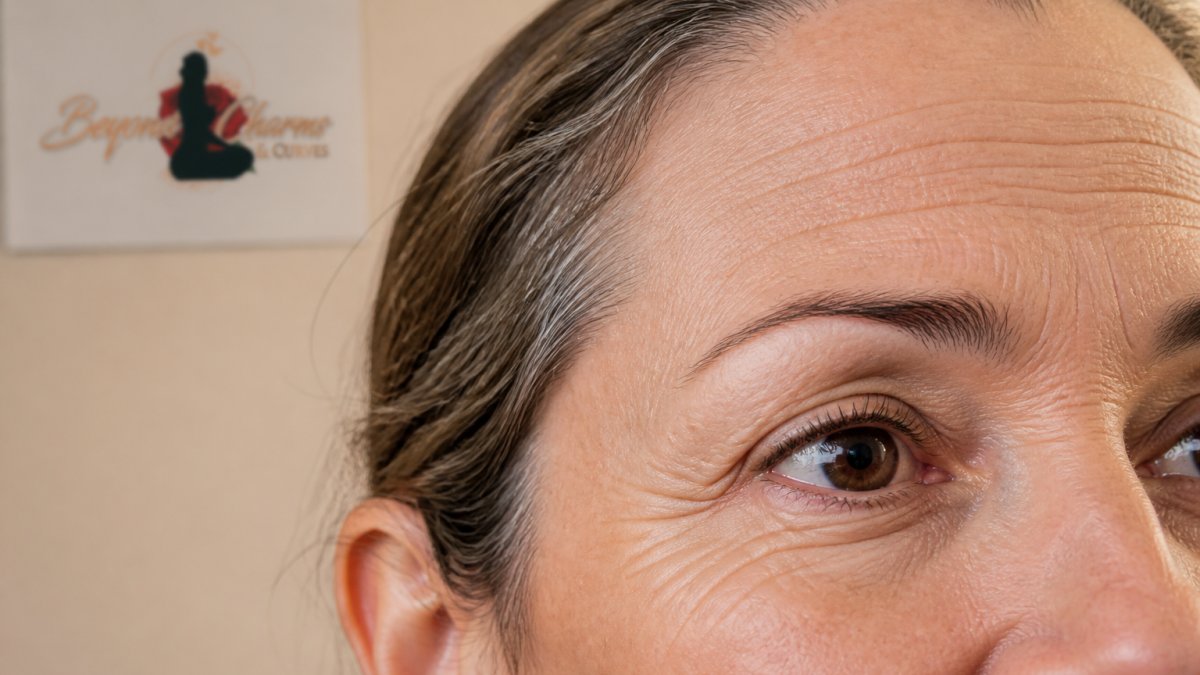
The needles penetrate to a precise depth, typically between 0.5mm and 2.5mm depending on your specific concerns.
When the needles create these micro-injuries, your skin doesn't just heal, it rebuilds stronger. Fibroblasts (the cells responsible for collagen production) activate and begin laying down new collagen fibers.
Microneedling Benefits and Risks You Should Know
Microneedling can help aging skin, but the size of the benefit depends on what you want fixed and how strong the evidence is. It is not a facelift in a needle. It is a controlled injury that asks your skin to rebuild collagen. That rebuilding is real, but it is gradual and modest for most people.
What the evidence supports
Most clinical studies on microneedling aging skin are small and short. Many compare microneedling with a placebo or with another treatment, and they often measure change with a visual scale rather than a biopsy. That does not mean the treatment does not work. It means you should expect improvement, not transformation.
A common pattern in studies is a modest softening of fine lines, better skin texture, and a slight improvement in firmness after a series of sessions. Deep wrinkles and significant sagging respond less.
Benefits you can reasonably expect
- Fine lines and texture: The most consistent improvement is in surface texture and early fine lines, especially around the eyes and mouth.
- Skin firmness and tone: Collagen remodeling can make skin feel a bit firmer and look more even over 8 to 12 weeks.
- Acne scars and other scars: Microneedling can soften the look of scars by remodeling scar tissue. This usually takes multiple sessions and the change is gradual.
- Radiance: Many people report brighter-looking skin, though this is partly from the temporary healing response.
Risks and side effects
Normal side effects include redness, mild swelling, and sensitivity for 24 to 72 hours. Some people get small bruises or temporary pinpoint bleeding. These are expected and settle on their own.
More serious problems are rare when treatment is done with sterile equipment by a trained professional. They include infection, cold sore flare-ups in people with a history of herpes, and scarring. People with darker skin tones need extra care because inflammation can trigger post-inflammatory hyperpigmentation. That risk is higher with deeper needle settings and aggressive treatment.
Who may benefit and who should avoid it
Microneedling may suit you if you have early to moderate signs of aging, uneven texture, or scars, and you are willing to do a series of sessions and maintain results.
You should avoid it, or get a clinician's clearance first, if you have:
- An active skin infection, open wounds, or a cold sore outbreak
- Severe cystic acne in the treatment area
- A history of keloid scarring
- A bleeding disorder or you take blood thinners
- Certain autoimmune or skin conditions that affect healing
- You are pregnant or breastfeeding (many clinics defer treatment as a precaution)
A consultation matters most when you have a skin condition, take medication that affects healing, or have darker skin. A qualified practitioner can adjust depth, technique, and aftercare to lower your risk.
Professional versus at-home devices
At-home rollers and pens are not the same as clinical treatment. Clinical devices reach deeper layers of the skin, use sterile single-use needles, and are operated by someone trained to manage complications. Home devices are shallower and carry their own risks, including infection and scarring, if used incorrectly or too often. If you choose a home device, follow the instructions closely and stop if you see prolonged redness or irritation.
What to Expect: Microneedling Results Timeline
Microneedling results don't appear overnight. Understanding the timeline helps you set realistic expectations.
Immediately after treatment, your skin will be red and slightly swollen. This subsides within a few days.
Real collagen stimulation takes time.
For deeper wrinkles and more significant aging concerns, multiple sessions produce better results.
Research on microneedling efficacy for skin rejuvenation confirms that results continue improving for several months after the final treatment.
For a deeper dive into what specific results you can expect for wrinkles, check out our guide on microneedling for deep facial wrinkles.
Microneedling results unfold gradually, with visible changes appearing at different stages after treatment.
Timeline | What Happens | Notes |
|---|---|---|
Immediately after | Skin is red and slightly swollen | Normal healing response |
Day 3-5 | Redness fades, skin feels smoother | Early healing phase |
Week 2-3 | Fine lines and texture improve noticeably | Collagen stimulation begins |
Week 8-12 | Wrinkles soften, skin tone evens out | Collagen rebuilds beneath surface |
Multiple sessions | 3-6 treatments spaced 4-6 weeks apart | Cumulative improvement builds |
Several months after final treatment | Results continue improving | Skin keeps producing collagen |
How Long Do Microneedling Results Last
Microneedling results are not permanent, but they're long-lasting. The new collagen your skin produces doesn't disappear after a few weeks. Most people enjoy visible results for 12-18 months after a complete treatment series.
However, your skin continues aging. Fine lines and wrinkles gradually return as collagen naturally breaks down over time. This is why many people choose maintenance treatments, one session every 12-18 months to sustain their results.
The longevity of your results depends on several factors: your age, sun exposure, skincare routine, and overall skin health.
Microneedling vs IPL: Which Treatment Fits Your Goals
Both microneedling and IPL photofacials improve aging skin, but they work differently and address different concerns.
Microneedling stimulates collagen production through controlled injury and healing. It's particularly effective for fine lines, wrinkles, skin texture, and scars.
IPL (intense pulsed light) uses light energy to target pigmentation and surface blood vessels.
For someone with deep wrinkles and loss of firmness, microneedling is typically the stronger choice.
For a detailed comparison of these options, explore our IPL photofacials guide to see which approach aligns better with your specific aging concerns.
Is Microneedling Worth the Cost and Downtime
Whether microneedling is worth it comes down to three things: what you want to improve, what you will spend over time, and how much downtime you can accept. A single session price tells you little. The real question is the total cost of a course plus maintenance, compared with other options.
Downtime in practice
Expect redness and mild swelling for 24 to 72 hours. Learn what to expect across different medical spa treatments to plan your recovery time effectively. Most people can return to work the next day with light makeup, but some prefer a day off. Sensitivity and dryness can last a few days longer. Deeper treatments for scars or more pronounced wrinkles tend to cause more visible redness and may need a longer recovery window.
Downtime is shorter than with ablative laser resurfacing or surgery, but it is not zero. Plan around events and sun exposure.
How cost adds up over time
Microneedling is usually priced per session, and the price depends on the treatment area, needle depth, and the provider's credentials. A course often involves 3 to 6 sessions spaced about 4 to 6 weeks apart.
That means the number to compare is not one session. It is the course plus maintenance over a year or two. Ask for a written plan that lists the number of sessions, the interval, and the maintenance schedule. That lets you judge value honestly.
How it compares with other aging treatments
Microneedling sits in the middle of the options for aging skin. It is less aggressive than laser resurfacing or surgery, and less expensive than many injectable routines over time, but it also delivers more modest results.
- Retinoids: Prescription retinoids are far cheaper and have strong evidence for fine lines and texture. They take months to work and can cause irritation, but they are a sensible first step for many people.
- Chemical peels: Light peels can improve tone and texture with little downtime. Medium and deep peels do more but carry more risk and recovery time.
- Laser resurfacing: Ablative and non-ablative lasers can produce stronger results for wrinkles and sun damage, but cost more and involve more downtime and risk.
- Injectables: Neuromodulators and fillers target specific concerns like expression lines or volume loss. They work faster but need repeat visits and do not improve skin texture the way microneedling can.
A common pattern is to combine approaches: retinoids at home, microneedling for texture and early lines, and injectables for specific concerns. That is often more cost-effective than relying on one treatment for everything.
The value judgment
Microneedling is worth it if you want gradual, natural-looking improvement in texture and early aging signs, you can commit to a series and maintenance, and you accept modest rather than dramatic change. It is less worth it if you expect deep wrinkle removal, if you cannot keep up with maintenance, or if your main concern is pigmentation, which other treatments handle better.
Schedule Your Personalized Skin Assessment
The best way to determine if microneedling is right for you is a consultation with a qualified professional.
At Beyond Charms & Curves, we combine advanced aesthetic technology with personalized care to help you achieve natural-looking results.
FDA guidance on microneedling devices and safety confirms that when performed by qualified professionals using FDA-cleared equipment, microneedling is a safe and effective treatment for aging skin concerns.
Book a microneedling session to see how microneedling can address your specific aging skin concerns and create your personalized treatment plan.
Aging skin responds well to treatments that stimulate your body's own healing and rebuilding processes.
Frequently Asked Questions
Does microneedling actually work for aging skin?
Yes. Microneedling stimulates your skin to produce more collagen and elastin, which naturally decline with age. This process helps smooth fine lines, improve skin texture, and restore firmness to aging skin. Results develop gradually over weeks and continue improving for several months as collagen rebuilds. The depth of your wrinkles and your skin type affect how noticeable the improvement will be.
How long do microneedling results last?
Initial improvements appear within 2-4 weeks, but full results typically develop over 8-12 weeks as collagen production peaks. Results can last 6-12 months or longer, depending on your age, skin condition, and lifestyle. Most people benefit from maintenance treatments every 6-12 months to sustain improvements. Sun protection and a consistent skincare routine extend results significantly.
What are the main risks and side effects of microneedling?
Common side effects include temporary redness, swelling, and mild irritation lasting a few days. Rare risks include infection, scarring, or pigmentation changes if the procedure is performed incorrectly or aftercare is not followed. Professional treatment with FDA-cleared devices and a licensed provider significantly reduces these risks. Avoid microneedling if you have active infections, severe cystic acne, or certain skin conditions—consult a provider to confirm it's safe for you.
How does microneedling compare with IPL for aging skin?
Microneedling targets wrinkles, texture, and firmness by triggering collagen production through controlled skin injury. IPL uses light energy to address sun damage, age spots, and redness. Microneedling typically requires less downtime and works well for deeper wrinkles and scars, while IPL excels at evening skin tone and fading discoloration. Many people benefit from both treatments used strategically or combined in a professional setting.