 ultimate-guide
Natural Aesthetic Results for Women Over 40: A Guide
Quick Summary
Natural aesthetic results for women over 40 mean looking rested and like yourself, not like you had work done. Treatments such as Botox, fillers and microneedling can soften visible aging when they are planned in small, measured steps that suit your own face.
- Daily broad-spectrum SPF 30 or higher is the most important habit for visible aging.
- Botox softens expression lines that appear when you move, such as frown lines and crow's feet.
- Hyaluronic acid fillers add volume, and a conservative first session usually looks more natural.
- Microneedling improves texture and fine lines over several sessions, with a few days of redness.
- Bring reference photos from a time you liked and choose a licensed provider who works in a medical setting.
Table of Contents
- What Natural Aesthetic Results Look Like After 40
- Dermatologist Recommended Skin Care Routine for 40s Female Skin
- Botox for Women Over 40: Expression Lines and Subtle Softening
- Dermal Fillers for Natural-Looking Results and Volume Loss
- Microneedling for Women Over 40: Texture, Tone and Collagen
- Comparing Treatments by Concern, Downtime and How Long Results Last
- Safety, Consultation Questions and Booking Your First Visit
- Frequently Asked Questions
What Natural Aesthetic Results Look Like After 40
Last Updated: November 12, 2026
Natural aesthetic results for women over 40 are about looking refreshed and like yourself, not like you had work done. At Beyond Charms & Curves, we help women plan treatments that soften visible signs of aging while keeping expression and facial balance intact. The goal is a face that looks rested, not frozen or overdone.
Many women in their 40s notice fine lines, uneven skin tone and some loss of facial volume. These changes are common and gradual. Treatments can address them in measured steps, so the results build over time rather than all at once.

Why Facial Changes Happen in Your 40s
Collagen and elastin production slow over time, and the fat pads that give the face its fullness gradually shift and thin. American Academy of Dermatology overview of skin aging describes these changes as a normal part of aging, influenced by sun exposure, genetics and lifestyle.
Hormonal shifts during perimenopause and menopause can also affect skin thickness and hydration. Because of this, the same treatment may look different at 42 than at 52.
Defining Your Own Natural Look
A natural result is one that matches your face, your features and your daily life. Start by naming what bothers you most, whether that is forehead lines, tired-looking eyes or a flat cheek. Then decide how much change you want.
Bring photos of yourself at a point you liked. A good provider will use that as a reference, not as a template to copy.
Dermatologist Recommended Skin Care Routine for 40s Female Skin
A consistent at-home routine supports the results of any professional treatment. Daily sunscreen is the single most important habit, since UV exposure drives much of the visible aging women notice in their 40s.
Use a gentle cleanser, a retinoid or vitamin C serum as tolerated, a moisturizer suited to your skin type, and broad-spectrum SPF 30 or higher every morning. American Academy of Dermatology sunscreen guidance recommends daily use year-round, including on cloudy days.
Botox for Women Over 40: Expression Lines and Subtle Softening
Botox is a neurotoxin injection that relaxes the muscles causing dynamic expression lines, such as frown lines between the brows and crow's feet. Its effect is typically described as softening lines rather than erasing movement. The U.S. Food and Drug Administration patient information on botulinum toxin products outlines approved uses and known risks.
Results usually appear within a few days and can last several months, though timing varies by person. Your provider will place small amounts of product to keep your expression natural. Avoid rubbing the treated area for several hours after treatment, since this can shift product to unintended muscles.
Botox works best on lines that appear when you move. Deeper static lines at rest often need a combination of approaches.
Dermal Fillers for Natural-Looking Results and Volume Loss
Dermal fillers restore volume in areas such as the cheeks, temples and under-eye hollows, and they can smooth some folds. Compare seven dermal filler options for volume loss to see what each one is best suited for. Hyaluronic acid fillers are a commonly used type, and some can be dissolved if you are unhappy with the result.
Filler works by adding structure, so a conservative plan usually looks better than a large single session. Read practical tips for avoiding an overdone filler look to help keep your results subtle. Many women start with one area and reassess after a few weeks. A provider's job is to help you choose the amount that improves balance, not the maximum you could take.
Microneedling for Women Over 40: Texture, Tone and Collagen
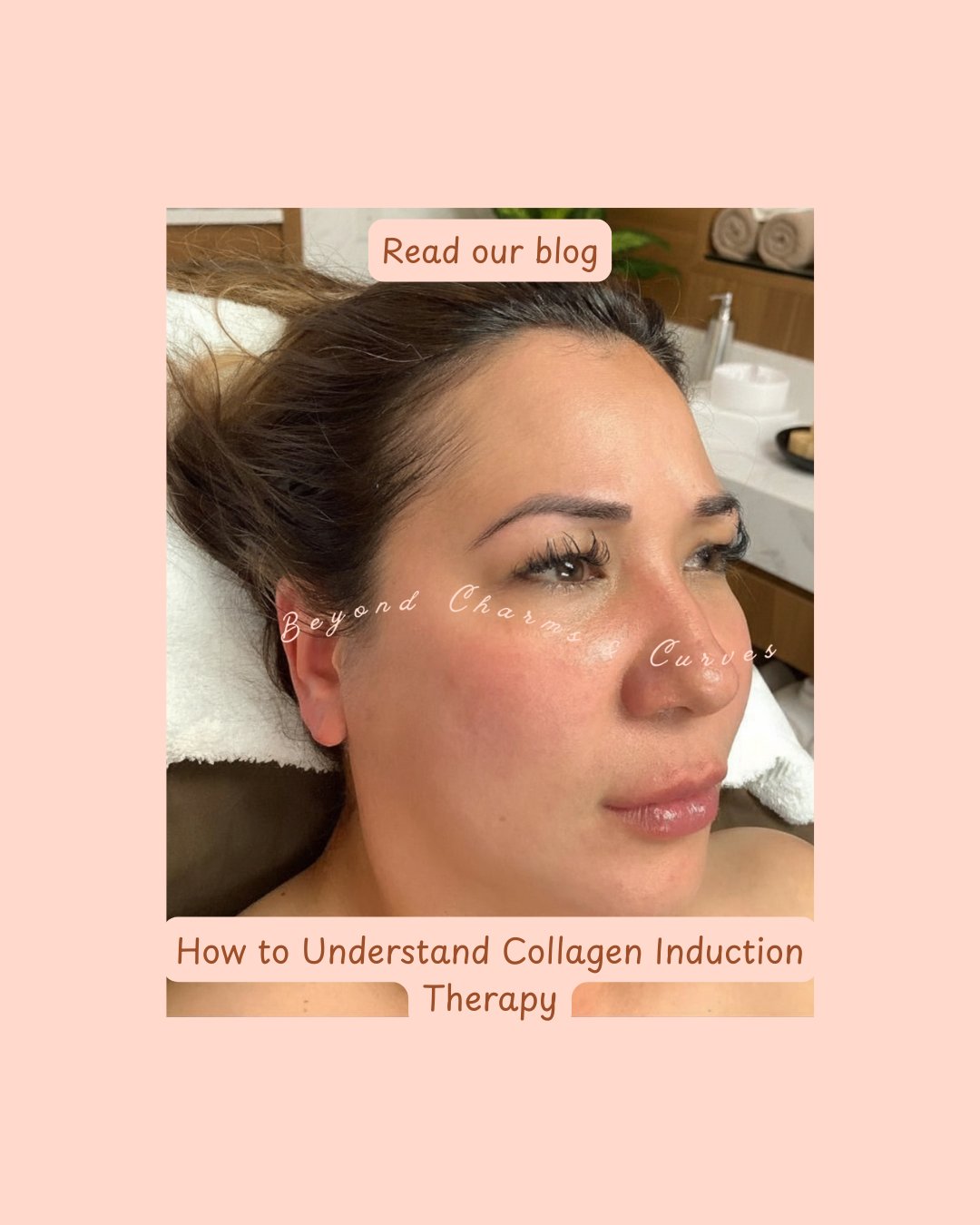
Microneedling uses fine needles to create tiny channels in the skin, which prompts the body to produce new collagen. It is often used for fine lines, uneven texture and mild scarring. Results often build over several sessions, and recovery usually involves a few days of redness.
Microneedling is often used for texture concerns, but it is not a replacement for volume restoration. Your provider can advise whether it suits your skin tone and goals.
Comparing Treatments by Concern, Downtime and How Long Results Last
Not every treatment works the same way, and comparing them side by side helps you see what fits your life. The table below groups options by the concern they address, the downtime you can expect, and how long results tend to last.
| Concern | Typical Option | How It Works | Downtime | Results Usually Last |
|---|---|---|---|---|
| Expression lines (frown lines, crow's feet) | Botulinum toxin (Botox) | Relaxes the muscles that create dynamic lines | Minimal; small bumps may fade within hours | About 3 to 4 months |
| Volume loss (cheeks, temples, under-eye hollows) | Hyaluronic acid fillers | Adds structure and fullness | Minimal to a few days of swelling or bruising | 6 to 18 months, depending on the product and area |
| Skin texture and fine lines | Microneedling | Creates tiny channels that trigger collagen production | A few days of redness and mild sensitivity | Builds over 3 to 6 sessions; results can last months |
| Skin tone and sun spots | Light-based treatments (IPL, laser) | Targets pigment and redness with light energy | A few days to a week, depending on intensity | Varies; sun protection helps maintain results |
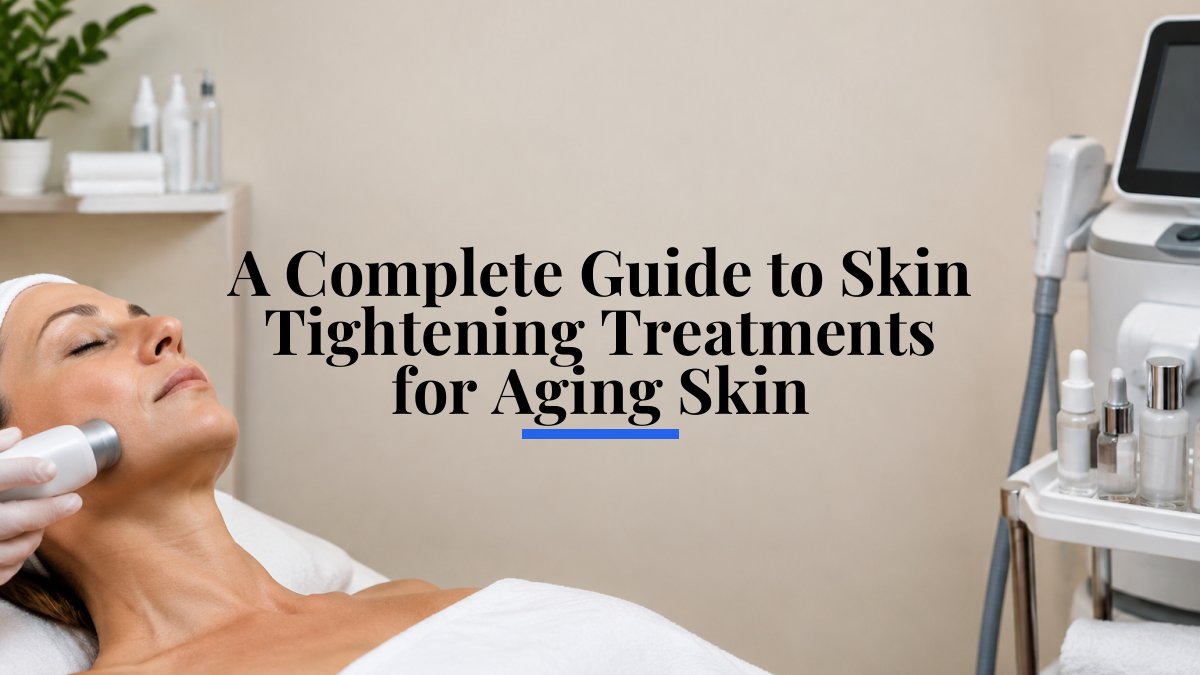
| Skin laxity (looseness along the jawline or neck) | Skin tightening devices (radiofrequency, ultrasound) | Heats deeper layers to stimulate collagen contraction | Minimal to a few days | Gradual improvement over 2 to 6 months |
| Surface resurfacing (fine lines, scarring, uneven tone) | Chemical peels | Removes outer skin layers to reveal fresher skin | 3 to 7 days of peeling, depending on depth | Months, with sun protection |
A few patterns are worth noting. Botox softens lines that appear when you move your face, but it does not restore volume or improve skin texture. Fillers add structure, but they work best in small amounts placed conservatively over time. Microneedling and light-based treatments improve skin quality, but they will not lift a sagging jawline.
Watch out: choosing a treatment based on a single before-and-after photo can lead to disappointment. The same procedure can look different on two women because skin thickness, bone structure, and healing response vary.
A common pattern is to start with the concern that bothers you most, treat it conservatively, and reassess after a few weeks. Many women combine two treatments, such as Botox for expression lines and microneedling for texture, but spacing them apart reduces downtime and lets you judge each result on its own.
Downtime and longevity also depend on the provider's technique and the settings used. Ask what a realistic recovery looks like for your specific plan, and plan around work or social events. If you have a big event coming up, plan treatments well ahead so any swelling or redness has time to settle.
Safety, Consultation Questions and Booking Your First Visit
Safety starts with choosing a licensed provider who works in a medical setting. Ask who will perform your treatment, what training they have, and how complications are handled.
Not everyone is a candidate for every treatment. Common reasons a provider may recommend waiting or choosing a different option include pregnancy or breastfeeding, active skin infections, a history of poor scarring, certain autoimmune conditions, or use of blood thinners.
Side effects vary by treatment. Botox can cause temporary bruising, headache, or eyelid drooping if product migrates. Fillers can cause swelling, bruising, lumps, or, rarely, vascular complications that need prompt treatment. Microneedling and peels can cause redness, peeling, and temporary sensitivity.
Some symptoms need prompt medical attention, including severe pain, spreading redness, fever, vision changes, or skin turning white or dusky after a filler injection. Contact your provider or seek urgent care right away if these occur.
Good questions to ask at your consultation include:
- What result do you think is realistic for my face, and what would you not recommend?
- How many sessions might I need, and how far apart?
- What side effects should I expect, and when should I call you?
- What will it cost over the next year, including follow-up visits?
- What is your plan if I am unhappy with the result?
- Who handles complications, and what is the after-hours process?
A provider who promises dramatic results with no downtime or risk should raise concern. Every treatment has trade-offs, and a good provider will explain them clearly.
After treatment, follow aftercare instructions closely. Avoid strenuous exercise, alcohol, and excessive heat for the first day or two after injectables. Use gentle skincare and sunscreen after microneedling or peels.
Ready to talk through your options? book a consultation with our team and bring your questions and reference photos. Beyond Charms & Curves can help you build a plan for results that look like you.
Frequently Asked Questions
How can women over 40 achieve natural-looking aesthetic results?
Start with a clear goal rather than a specific treatment. Tell your provider which features bother you most, such as lines around the eyes, volume in the cheeks or skin texture, and what you want to keep looking like yourself. A conservative plan that treats one or two concerns at a time usually looks more natural than correcting everything in one visit. Ask to see before and after photos of patients with similar features, and expect your provider to recommend less product rather than more at the first appointment.
What is the best skin treatment for a woman over 40?
There is no single best treatment. The right option depends on the concern. Neurotoxins such as Botox are used for expression lines, dermal fillers help restore volume, and microneedling can improve texture and fine lines. Many people combine treatments over time. A consultation with a licensed provider can help you compare options based on your skin, goals, schedule and comfort with downtime.
How do microneedling and dermal fillers differ?
Microneedling uses fine needles to create tiny channels in the skin, which can support the body's own collagen production and improve texture, tone and some fine lines. Dermal fillers are gel-like substances injected under the skin to add volume and soften deeper lines or areas of volume loss. Microneedling works mainly on the surface and quality of the skin, while fillers work on structure and fullness. Your provider can explain which approach fits your concerns.
How can I build a dermatologist-recommended skin care routine in my 40s?
A basic routine often includes a gentle cleanser, a broad-spectrum sunscreen used every morning, a moisturizer suited to your skin type, and an ingredient such as a retinoid or vitamin C serum if your skin tolerates it. Introduce one new product at a time so you can notice any irritation. Ask a board-certified dermatologist to review your routine, especially if you have sensitivity, pigmentation or dryness.
What should I ask a provider before choosing an aesthetic treatment?
Ask who will perform the treatment and what their training and licensing are. Ask what devices or products are used and whether they are FDA-cleared or approved where applicable. Ask what results are realistic for your concern, how long they typically last, what side effects are possible and what to do if you have a problem afterward. A good provider will explain options honestly, including when no treatment may be needed.
How much downtime should I expect after aesthetic treatments?
Downtime varies by treatment. Some neurotoxin and filler appointments involve little or no time away from work, though mild swelling or bruising can occur. Microneedling and chemical peels may cause redness or flaking for a few days. Your provider can give you a clearer timeline based on your treatment and skin type, so plan your schedule accordingly before your appointment.