 ultimate-guide
A Complete Guide to Skin Tightening Treatments for Aging Skin
Last Updated: November 7, 2026
Quick Summary
Skin tightening for aging skin uses energy-based treatments such as radiofrequency, ultrasound, and laser resurfacing to heat deeper layers of skin and stimulate collagen, improving firmness without surgery. Results build gradually over weeks to months, and maintenance sessions help hold them longer.
- Collagen and elastin decline with age, and sun exposure speeds that decline.
- Radiofrequency warms deeper skin layers and suits mild to moderate laxity.
- Ultrasound reaches deeper tissue than most radiofrequency devices and costs more.
- IPL targets pigment and redness rather than sagging, so it is often paired with other treatments.
- No non-surgical treatment is permanent, so treat permanent tightening claims with skepticism.
Table of Contents
- Why Aging Skin Loses Firmness
- How Non-Surgical Skin Tightening Works
- Radiofrequency Skin Tightening
- Ultrasound Skin Tightening
- Laser Resurfacing and Light-Based Options
- Skin Tightening Treatments at Home
- Skin Tightening Treatment Results Duration
- Book a Consultation at Beyond Charms & Curves
- Frequently Asked Questions
Why Aging Skin Loses Firmness
Skin tightening treatments for aging skin work best when you understand what causes laxity in the first place. Two proteins do most of the heavy lifting in young skin: collagen, which gives skin its structure, and elastin, which lets it snap back. Production of both declines with age, and decades of sun exposure speed that decline along.
The result is skin that looks thinner, looser, and less able to hold its shape. Fine lines deepen into wrinkles, and volume loss around the cheeks and jaw makes sagging more obvious. Aging is a normal process, not a flaw to panic about. It also explains why creams alone rarely deliver dramatic change: they sit on the surface, while the changes that matter happen in the deeper layers of skin.
How Non-Surgical Skin Tightening Works
Non-surgical skin tightening is a group of energy-based treatments that deliver controlled heat into the deeper layers of skin to stimulate collagen production and improve firmness without surgery (Radiofrequency facial rejuvenation: Evidence-based effect). Most options fall into three families: radiofrequency, ultrasound, and light or laser-based treatments. Each heats tissue differently and suits different skin types and goals.
The common thread is a controlled injury response. Heat prompts the body to rebuild collagen over the following weeks and months, which gradually improves skin texture and firmness. Downtime varies by treatment, and your provider can explain what to expect. For a closer look at the full range of options, see our comparison of non-invasive skin tightening treatments.
Radiofrequency Skin Tightening
Radiofrequency (RF) skin tightening uses thermal energy to warm the deeper layers of skin while protecting the surface, triggering collagen stimulation and gradual firming (The Landscape of Radiofrequency Technology for Skin Rejuvenation). It is one of the most established non-surgical treatment categories and is used on the face, neck, and body.
Most people describe the sensation as a warm massage. Session length and recovery time depend on the device and the area treated, so ask your provider what to expect. Results build over a few months rather than appearing overnight. Radiofrequency is often considered for mild to moderate skin laxity, though it will not match the lift of a surgical procedure. If neck looseness is your main concern, our article on tightening loose neck skin without surgery covers what to expect.
The number of sessions varies by device and the area treated, and your provider will recommend a schedule. Your provider will assess your skin thickness, laxity, and goals to set a realistic schedule. RF works best on skin that still has some elasticity, it can improve mild to moderate looseness, but it is not a substitute for a facelift. People with significant sagging or very thin skin may see only modest change.
Watch out: not all RF devices are equal. Some clinics use lower-powered machines that require more sessions for smaller results. Ask which device will be used and how many treatments are typically needed for your concern before committing to a package.
Ultrasound Skin Tightening
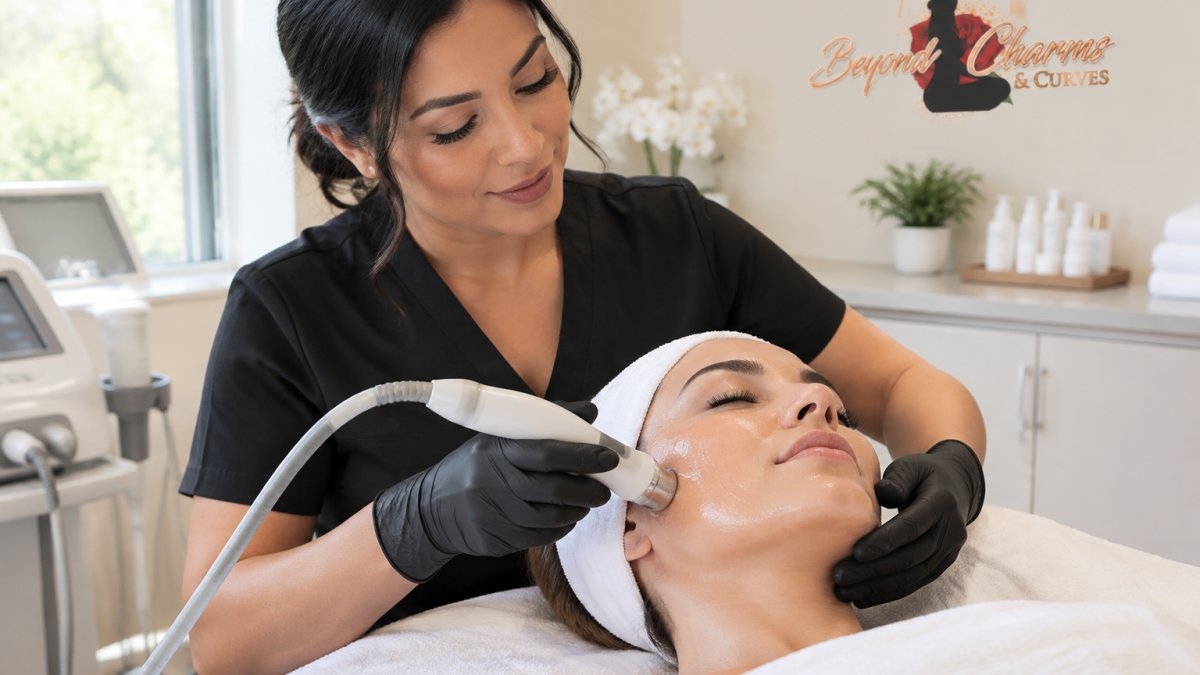
Ultrasound skin tightening delivers focused ultrasound energy below the surface, targeting deeper tissue than most radiofrequency devices reach. Because the energy bypasses the top layers, the procedure is often described as comfortable, with mild redness afterward and little to no downtime for most patients.
The trade-off is intensity. Ultrasound can produce more noticeable tightening for moderate laxity, but it costs more and requires a provider who understands facial anatomy well. It is not the right first step for everyone, and a consultation should confirm whether your skin thickness and laxity make you a good candidate.
Laser Resurfacing and Light-Based Options
Laser resurfacing uses fractional laser energy to remove damaged surface layers and prompt renewal, which improves fine lines, skin texture, and dark spots alongside firmness. Recovery depends on how aggressive the setting is; lighter resurfacing may mean a few days of redness, while deeper treatments need longer.
Intense pulsed light, or IPL, takes a gentler route. IPL targets pigment and redness more than laxity, so it is often paired with other treatments rather than used alone for sagging skin. Many patients combine light-based options with radiofrequency for overall facial rejuvenation. Our guide to IPL photofacials and their benefits explains where light-based treatment fits.
Skin Tightening Treatments at Home
At-home skin tightening treatments cannot replicate what an energy-based device does in a clinic, and any product claiming otherwise deserves skepticism. What home care can do is support results: consistent sun protection, retinoids, and moisturizers that strengthen the skin barrier all help maintain firmness over time. Consistent home care can help preserve firmness, while understanding how ultrasonic cavitation results differ from the effects of clinic-based energy treatments can keep expectations realistic.
A common mistake is buying an expensive at-home device before addressing basics. Sunscreen used daily does more for aging skin than most gadgets. Think of at-home skin care as maintenance, not a substitute for professional treatment.
Option | What It Targets | Downtime | Best For |
|---|---|---|---|
Radiofrequency | Collagen stimulation, mild laxity | None to minimal | Prevention and Mild sagging |
Ultrasound | Deeper tissue, moderate laxity | Minimal | Noticeable firming |
Laser resurfacing | Texture, lines, dark spots | Several days | Sun damage plus laxity |
IPL | Pigment and redness | Minimal | Tone, not sagging |
At-home care | Barrier support, prevention | None | Maintaining results |
Skin Tightening Treatment Results Duration
Skin tightening treatment results duration varies by method, skin type, and how well you care for your skin afterward. Improvement usually builds gradually as collagen rebuilds, and how long results last depends on the individual and the treatment.
Nothing here is permanent. Aging continues, and sun exposure keeps working against you. Maintenance sessions can help hold results longer. Your provider should give you a realistic timeline at your consultation rather than a promise. For a fuller breakdown, read our guide on how long skin tightening results last.
Results also depend on the treatment. Improvement from radiofrequency and ultrasound often builds over several months and may fade over time. Laser resurfacing can produce longer-lasting texture changes, but firmness still declines over time. IPL offers minimal tightening and is better for tone than for laxity. At-home care, daily sunscreen, retinoids, and moisturizers, supports results but does not extend them indefinitely.
Results can vary, and people with milder laxity and good skin quality often hold results longer than those with more advanced sagging. Your provider should discuss a maintenance plan that fits your budget and goals, not just the initial series. Watch out: some clinics promise "permanent" tightening, no non-surgical treatment can reverse ongoing aging, so treat such claims with skepticism.
Book a Consultation at Beyond Charms & Curves
Choosing a qualified provider matters more than choosing a device. Look for licensed medical oversight, FDA-cleared equipment, and a team that assesses your skin tone, skin type, and treatment candidacy honestly before recommending anything.
At Beyond Charms & Curves, we build customized treatment plans around your goals, use FDA-cleared devices, and work with licensed medical providers. Our patients rate us 5.0 on Google Reviews. If you are ready to move forward, our step-by-step booking guide walks you through scheduling.
Aging skin changes, but you have more options than ever to address it without surgery. If you want a plan built around your skin rather than a sales pitch, we are here to help. Get started with Beyond Charms & Curves and book a consultation to discuss skin tightening, microneedling, or IPL photofacials with our team.
Frequently Asked Questions
What is the best treatment to tighten aging skin?
There is no single best option. Radiofrequency suits mild to moderate laxity on the face, neck, and body with little downtime. Ultrasound reaches deeper layers and is often chosen for a defined jawline. Laser resurfacing helps when skin texture and dark spots are also concerns. A consultation with a licensed provider will match the device to your skin type, laxity level, and schedule.
How long do skin tightening treatment results last?
Results vary by device, treatment area, and how your skin responds. Results vary by person and treatment, and maintenance sessions can help extend them. Collagen remodeling continues for weeks after a session, so the full effect appears gradually. Your provider can set a realistic timeline and retreatment schedule based on your skin laxity and goals.
Can saggy skin tighten back up without surgery?
Non-surgical skin tightening can improve mild to moderate sagging by stimulating collagen production in the deeper layers of skin. It will not match a surgical lift for significant loose skin. If laxity is advanced, a provider may explain that a surgical consult is the more honest path. Setting realistic expectations at the start protects your results and your budget.
Are radiofrequency and ultrasound skin tightening different?
Yes. Radiofrequency uses thermal energy to heat the dermis and is often described as comfortable with minimal downtime. Ultrasound delivers focused energy deeper into the tissue, which some people find more intense. Both trigger collagen stimulation, but they suit different areas and laxity levels. Some treatment plans combine them in sequence for facial tightening and body tightening.
Can you tighten aging skin at home?
At-home skin tightening treatments like creams, serums, and microcurrent devices can support skin texture and hydration, but they work on the surface. They do not reach the deeper layers of skin where collagen and elastin are rebuilt. Think of at-home skin care as maintenance alongside professional treatments, not a replacement. Ask your provider which products suit your skin type.
Are noninvasive skin tightening treatments suitable for everyone?
Most healthy adults are good candidates, but treatment candidacy depends on skin tone, skin type, and medical history. Some devices are not recommended during pregnancy or over certain skin conditions. A licensed provider will review your history and check the treatment area before recommending a plan. This step matters most for people with darker skin tones or a history of scarring.