 ultimate-guide
Are Body Sculpting Results Permanent? What to Expect
Table of Contents
- Are Body Sculpting Results Permanent?
- How Long Body Sculpting Results Actually Last
- What Affects How Long Your Results Stay
- Non-Invasive vs. Surgical Body Sculpting: Which Lasts Longer
- How to Maintain Body Sculpting Results Long-Term
- Best Non-Invasive Skin Tightening Treatments for Lasting Results
- Managing Expectations: The Reality of Body Sculpting
- Frequently Asked Questions
Last Updated: September 23, 2026
Are Body Sculpting Results Permanent?
The short answer: body sculpting results permanent outcomes depend on your approach, but they can last a long time with the right maintenance and lifestyle choices. Most non-invasive treatments deliver visible results that fade gradually over months or years, while surgical procedures offer longer-lasting outcomes. The real question isn't whether results are permanent, it's how to extend them through maintenance and lifestyle choices.
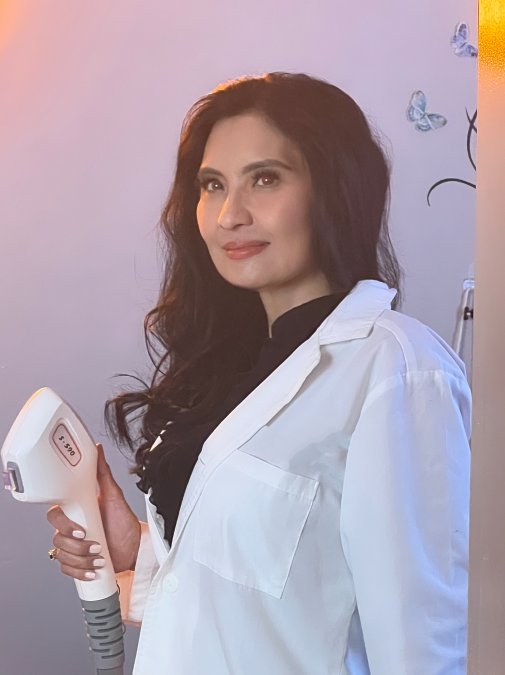
At Beyond Charms & Curves, we help patients understand what realistic expectations look like. Many people assume that once they invest in body sculpting, the results will stay forever. That's not how the body works. Fat cells can be reduced or eliminated, but your body's natural processes, metabolism, weight fluctuation, and aging, continue to influence your appearance long after treatment ends.
How Long Body Sculpting Results Actually Last
Results depend heavily on the type of procedure you choose. Non-invasive treatments like cryolipolysis (fat freezing) typically produce visible changes within 3 to 6 months, with results lasting anywhere from 6 months to 2 years. Radiofrequency and laser-assisted treatments that focus on skin tightening often require maintenance sessions to sustain their effect.
Surgical body sculpting, liposuction and fat removal procedures, tends to deliver longer-lasting results because the surgeon physically removes fat tissue. However, "longer-lasting" doesn't mean permanent. Remaining fat cells can still expand if you gain weight, and skin elasticity naturally decreases over time due to aging and collagen loss.
The timeline varies significantly. Some patients see peak results at 3 months and maintain them well into year two. Others notice gradual fading starting around month 12. This variability comes down to individual metabolism, skin quality, and how well you maintain your results through lifestyle choices.
What Affects How Long Your Results Stay
Several factors determine how long your body sculpting results hold up. The most important ones are within your control, which is good news if you want to extend your investment.
Weight Fluctuation and Your Results
Weight gain is the single biggest threat to body sculpting longevity. When you gain weight, remaining fat cells expand, and new fat deposits can form in treated and untreated areas. Even modest weight fluctuation, 5 to 10 pounds, can noticeably reduce the appearance of body sculpting results.
This doesn't mean you can never eat a dessert again. It means that significant, sustained weight gain undermines the procedure. If you gained 20 pounds before treatment, losing it and then gaining it back will erase most of your sculpting benefits. Staying within 5 to 10 pounds of your target weight keeps results visible and intact.
The challenge is real: many people treat body sculpting as a shortcut to weight loss, then regain weight and blame the procedure. In reality, the procedure works, but it works best when combined with weight stability.
Metabolism and Lifestyle Choices
Your metabolic rate directly affects how quickly fat returns. People with slower metabolisms tend to see results fade faster because their bodies store fat more easily. People with faster metabolisms often maintain results longer because their bodies burn calories more efficiently.
You can't change your baseline metabolism much, but you can influence it through consistent exercise and adequate protein intake. Regular physical activity, especially strength training, preserves muscle mass and keeps your metabolic rate higher. This makes it easier to maintain your weight and extend body sculpting results.
Diet matters too. High-calorie diets, especially those heavy in processed foods and added sugars, promote fat storage and can cause treated areas to fill back in. A balanced diet with adequate protein, fiber, and whole foods supports weight stability and metabolic health.
Sleep and stress also play a role. Poor sleep and chronic stress increase cortisol levels, which promote fat storage in the abdomen and other areas. Prioritizing 7 to 9 hours of sleep and managing stress through exercise, meditation, or other methods helps preserve your results.
Non-Invasive vs. Surgical Body Sculpting: Which Lasts Longer
Non-invasive treatments and surgical procedures have different longevity profiles. Understanding the difference helps you choose the right option for your goals.
Non-invasive treatments like cryolipolysis, radiofrequency, and laser-assisted procedures work by reducing fat cells or tightening skin without cutting into tissue. Results are gradual, you see changes over weeks and months, and they fade gradually too. Most patients see results lasting 6 months to 2 years, with some variation based on the specific technology and your body's response.
The advantage of non-invasive treatments is minimal downtime and lower risk. The disadvantage is that results are temporary and often require maintenance sessions. Many patients return annually or every 18 months for touch-up treatments to maintain their appearance.
Surgical body sculpting, liposuction, tummy tucks, and similar procedures, physically removes fat tissue and excess skin. Because the tissue is removed rather than just reduced, results typically last longer. Many patients enjoy results for 5 to 10 years or more, especially if they maintain stable weight.
The trade-off is recovery time and surgical risk. Surgical procedures require anesthesia, involve incisions and stitches, and carry risks like infection, scarring, and nerve damage. Recovery typically takes 2 to 6 weeks, and you'll need time away from work and exercise.
For most patients seeking visible results with minimal downtime, non-invasive treatments make sense as a starting point. If you want longer-lasting results and are comfortable with surgery, surgical procedures offer superior longevity.
How to Maintain Body Sculpting Results Long-Term
Extending your results requires a combination of post-procedure care and ongoing lifestyle habits. The first few weeks are critical, but long-term maintenance is what really determines how long you enjoy your investment. Consistent daily choices serve as the foundation for maintaining your results, ensuring that the benefits of your procedure persist long after the initial recovery phase has concluded.

Post-Procedure Care in the First Weeks
Immediately after treatment, your body is healing and the fat reduction process is still underway. Following post-procedure instructions carefully maximizes your results and minimizes complications. (Source: American Society of Plastic Surgeons' statistics on liposuction)
Most non-invasive treatments require you to avoid intense exercise for 24 to 48 hours. This gives your body time to begin the healing process without added stress. You should also avoid excessive heat, saunas, hot tubs, and intense sun exposure, for at least a week, as heat can increase inflammation and swelling.
Compression garments are often recommended for the first 1 to 2 weeks. They reduce swelling, support the treated area, and help your skin conform to its new contours. Wearing compression as directed speeds up the visible results and improves the final outcome.
Stay hydrated and eat a balanced diet rich in protein during the first few weeks. Your body uses protein and water to heal and remodel tissue, so adequate nutrition accelerates recovery and improves results.
Ongoing Habits That Protect Your Investment
After the initial recovery period, long-term maintenance becomes the priority. The habits you build in the weeks and months following treatment determine whether your results last 6 months or 2 years.
Regular exercise is non-negotiable. Aim for at least 150 minutes of moderate cardio per week, walking, cycling, swimming, combined with 2 to 3 sessions of strength training (the CDC). Exercise preserves muscle mass, keeps your metabolism elevated, and prevents fat from returning to treated areas.
Nutrition should remain a priority. Focus on whole foods, adequate protein (0.8 to 1 gram per pound of body weight), plenty of vegetables, and healthy fats. Avoid crash diets and extreme calorie restriction, which slow your metabolism and make weight gain more likely after you stop restricting.
Consistency with your weight matters more than perfection.
Best Non-Invasive Skin Tightening Treatments for Lasting Results
If you're considering non-invasive body sculpting, understanding the different technologies helps you choose the best option for your goals and timeline.
Managing Expectations: The Reality of Body Sculpting
The biggest mistake patients make is expecting body sculpting to be permanent. When results fade, as they inevitably do, disappointment sets in. Setting realistic expectations from the start prevents this letdown.
Frequently Asked Questions
How long do body sculpting results last?
Results from non-invasive body sculpting typically last 6 months to 2 years, depending on the technology used and your lifestyle. Cryolipolysis results can persist longer because treated fat cells are permanently destroyed, but new fat cells can develop if you gain weight. Radiofrequency and laser-assisted treatments stimulate collagen production, so results gradually fade as your body's natural collagen decreases over time. Surgical body contouring offers longer-lasting results, often 5-10 years or more, but still depends on maintaining your weight and healthy habits.
Does weight gain affect body sculpting results?
Yes, weight gain directly impacts body sculpting results. Even a 5-10 pound increase can affect the appearance of treated areas. While non-invasive procedures destroy existing fat cells, your body can still develop new fat cells if you gain weight. This is why maintaining your ideal weight through balanced nutrition and regular exercise is critical to preserving your aesthetic outcomes. A significant weight fluctuation can require follow-up sessions or additional treatments to restore your desired appearance.
What's the difference between body sculpting and weight loss?
Body sculpting targets specific pockets of subcutaneous fat that resist diet and exercise, reshaping your body contours. Weight loss reduces overall body mass through calorie reduction. Body sculpting is not a weight-loss tool, it's designed for people near their ideal weight who want to refine problem areas. If you're significantly overweight, achieving a stable weight first through lifestyle modification makes body sculpting results more effective and longer-lasting. Combining both approaches delivers the best aesthetic outcomes.
Is body sculpting worth it if results aren't permanent?
Body sculpting is worth considering if you're committed to maintaining results through healthy habits. Many patients find that even temporary results justify the investment because they enjoy years of improved appearance and confidence. Think of it as ongoing maintenance, similar to skincare or fitness routines. The key is having realistic expectations: results require follow-up sessions every 1-2 years for non-invasive treatments, or longer intervals for surgical options. Your provider can create a personalized treatment plan that fits your goals and budget.