 how-to
Are Medical Spa Treatments Painful? What to Expect
Table of Contents
- What to Expect at a Medical Spa Visit
- Why Pain Levels Vary From Person to Person
- What Does Microneedling Feel Like?
- Do Botox Injections Hurt?
- Does IPL Treatment Hurt?
- Non-Invasive Body Sculpting Sensations
- Pain-Control Options and How to Prepare
- What Is Normal Discomfort vs. a Warning Sign
- Frequently Asked Questions
Last Updated: October 20, 2026
What to Expect at a Medical Spa Visit
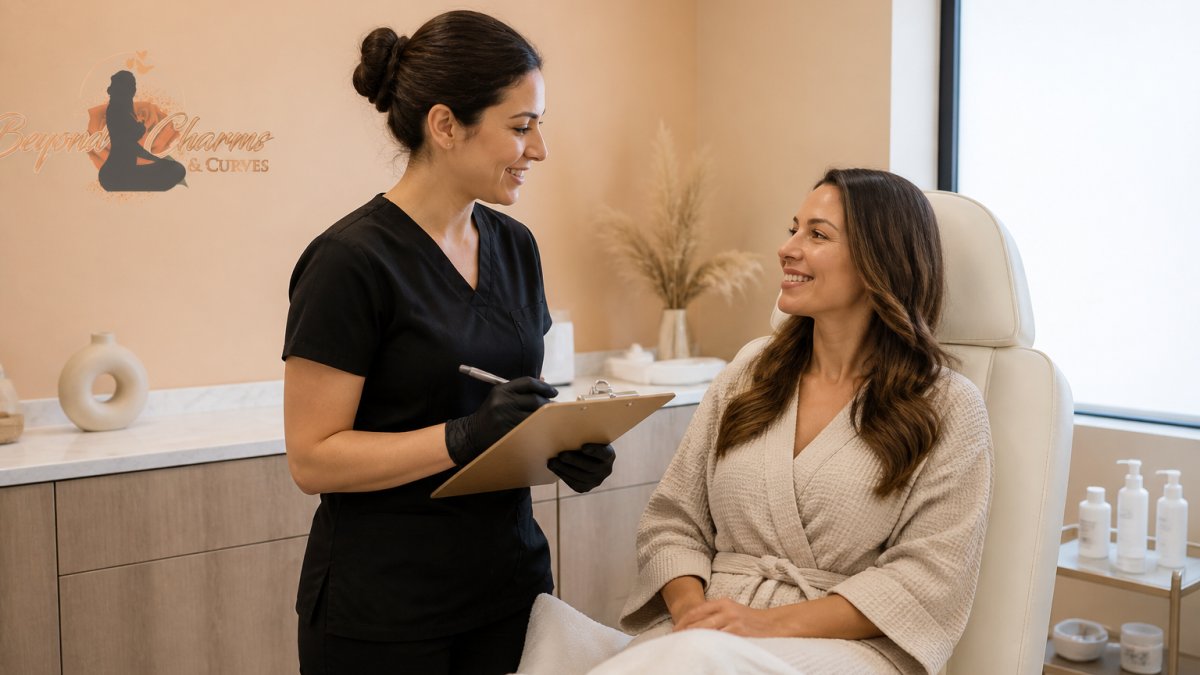
Most people want to know one thing before their first appointment: are medical spa treatments painful? The honest answer is that most feel like mild discomfort, not real pain. A quick pinch, some warmth, or a light scratch is typical. At Beyond Charms & Curves, we walk every patient through exactly what each step will feel like before we begin.
A medical spa is a clinic where licensed professionals perform non-surgical aesthetic treatments under medical oversight. That setup matters. It means your comfort, safety, and health history get reviewed first, not last.
Here is how a first visit usually goes:
- A consultation and medical history review
- A skin and health assessment to confirm you are a good candidate
- A review of risks, side effects, and informed consent
- Numbing cream applied if the treatment calls for it
- The treatment itself
- Aftercare instructions and a follow-up plan
The consultation is where most of the mystery disappears. Ask about pain control then. A good provider will show you the device, explain the sensation, and adjust the plan to your comfort level.
Why Pain Levels Vary From Person to Person
Two people can get the same procedure and describe it very differently. That is normal. Pain is personal, and several factors shape how a treatment feels. The biggest ones are skin sensitivity, body area, nerve density, stress, sleep, medications, and hormones. But the most useful way to understand variation is to compare specific treatments and specific body areas side by side.
Pain by Treatment Type
Not all medical spa treatments feel the same. Here is a practical comparison of common sensations, using a 0-to-10 scale where 0 is no discomfort and 10 is the worst pain you can imagine. These are typical ranges reported by patients, and your experience may differ.
- Injectables (Botox, filler): A brief pinch, like a small bug bite, rated 2 to 4 out of 10. Filler near the lips or under the eyes can feel sharper, closer to 4 or 5, because those areas have more nerve endings. Each injection lasts a second or two.
- Microneedling: With numbing cream, most people rate it 3 to 4 out of 10. Without numbing, expect a 5 to 6, like light sandpaper or a quick scratch. The forehead and upper lip feel sharper than the cheeks.
- Laser and IPL: A warm rubber band snap, rated 3 to 5 out of 10. Darker or more sensitive spots feel extra heat. Cooling gel and cold air bring it down.
- Chemical peels: A mild tingling or stinging that builds for a few minutes, rated 2 to 5 depending on peel depth. Superficial peels feel like a light sunburn; deeper peels can sting more.
- Body sculpting: Sensations vary by device. Fat-freezing feels cold and pulling, radiofrequency feels deep warmth, and muscle-stimulation devices feel like intense contractions. Most people rate these 2 to 4 out of 10.
Pain by Body Area
Where you get treated matters as much as what you get. The face has more nerve endings per square inch than the back or thighs. Lips, the forehead, the neck, and under the eyes are the most sensitive spots. The cheeks, jawline, and outer thighs are less sensitive. If you know a spot is tender, say so. Your provider can slow down, add numbing, or split the session.
Personal Factors That Change Perceived Pain
- Skin sensitivity: Thin or reactive skin tends to feel more.
- Anxiety and stress: Tense patients feel more than relaxed ones. Slow breathing and a calm room help.
- Sleep and hydration: Poor sleep and dehydration can lower your pain threshold.
- Medications: Blood thinners and some prescriptions can raise sensitivity or bruising risk.
- Hormones: Sensitivity can shift with your cycle.
- Prior experience: Knowing what to expect often makes the second visit feel easier.
A good provider maps this out with you during the consultation. Ask how your specific treatment, body area, and health history affect the plan. That conversation is where most of the mystery disappears.
What Does Microneedling Feel Like?
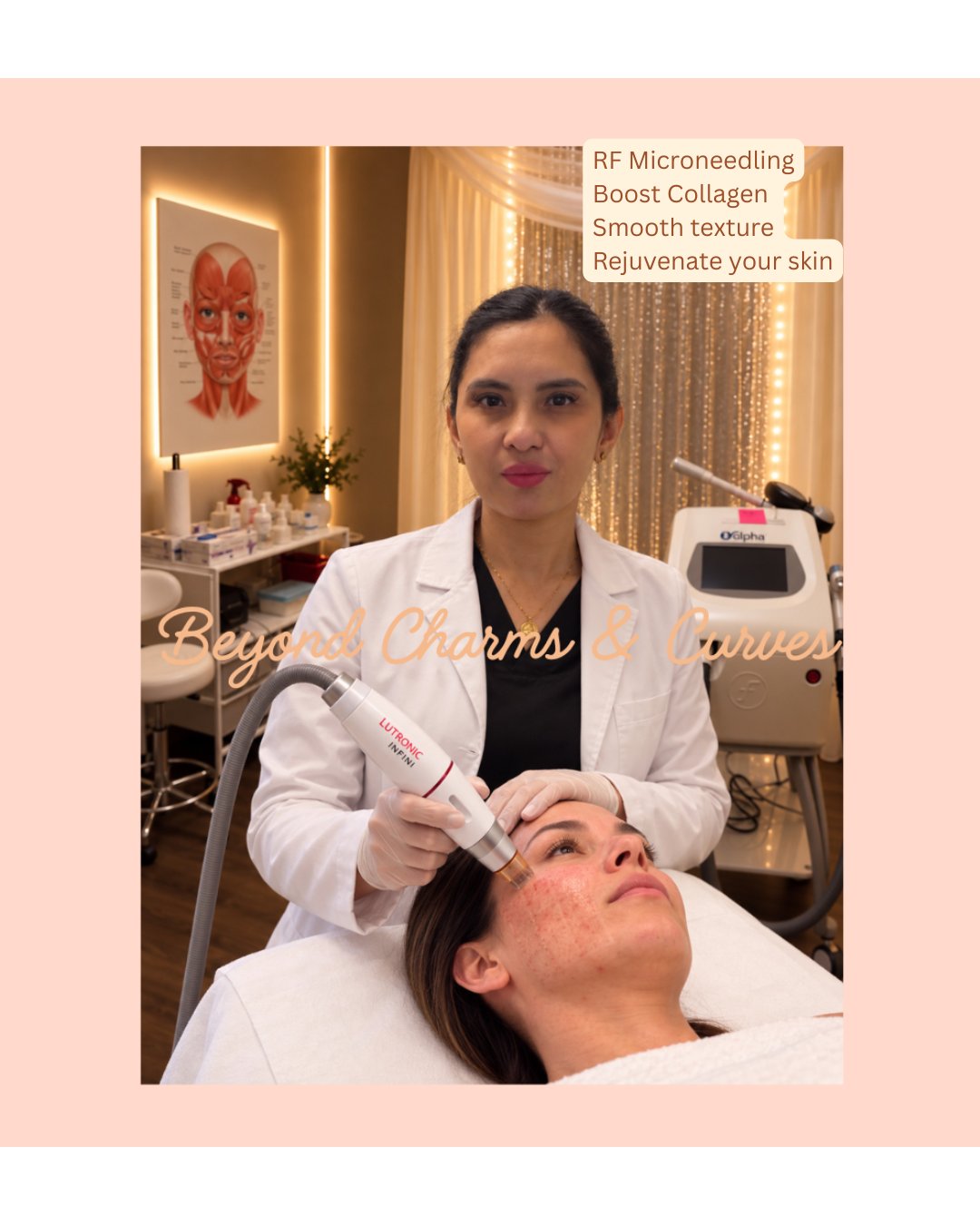
Microneedling feels like light sandpaper or a quick scratching sensation across the skin. Most people rate it a 3 or 4 out of 10 with numbing cream. Without numbing, expect more of a sting.
The device moves in small circles, so the feeling is steady rather than sharp. Sessions usually run 30 to 60 minutes depending on the area. Your skin may look pink and feel warm afterward, like a mild sunburn, for a day or two.
Here is what helps:
- Arrive with clean skin and no makeup
- Ask for topical numbing 20 to 30 minutes before
- Skip alcohol and blood thinners for a few days if your provider approves
- Plan a light schedule for the rest of the day
Do Botox Injections Hurt?
Botox injections cause a brief pinch, often compared to a small bug bite. Each injection lasts a second or two. Most people describe the whole session as mildly uncomfortable, not painful.
The needle is very fine, and a skilled injector moves quickly. Any stinging fades within minutes. You may see tiny bumps at the injection sites that settle within an hour or so.
A few tips to make it easier:
- Ask about a cold pack before injections
- Skip numbing cream if you are fine with a quick pinch, since it can blur the treatment area
- Avoid alcohol the day before
- Breathe out slowly as each injection goes in
If you have a low pain tolerance or it is your first time, tell your injector. We adjust pace and technique for nervous patients all the time.
Does IPL Treatment Hurt?
IPL treatment feels like a warm rubber band snap against the skin. Each pulse is quick. Most patients rate it a 3 to 5 out of 10, and the sensation drops as the session goes on.
The light targets pigment and redness, so you may feel extra heat in darker or more sensitive spots. Cooling gel and a cold air device help a lot. Expect some redness and mild swelling right after, similar to a flush after exercise.
Sessions are usually spaced several weeks apart. Ask about a test spot if you are unsure how your skin will react.
Non-Invasive Body Sculpting Sensations
Body sculpting treatments vary widely, so the feeling depends on the device. Some use cooling, some use radiofrequency heat, and some use muscle contractions. None of them involve needles or cuts.
Common sensations include:
- A cold, pulling feeling during fat-freezing cycles
- Deep warmth and a mild tugging with radiofrequency
- Strong muscle contractions that feel like an intense workout
- Tingling or numbness that fades after the session
Most people read, scroll, or relax during these appointments. Discomfort is usually mild and settles quickly. Results build over weeks, and more than one session is often needed.
Pain-Control Options and How to Prepare
You have more control over comfort than you might think. A little planning goes a long way. The key is to match the pain-control option to the treatment and to your own sensitivity.
Pain-Control Options to Ask About
- Topical numbing cream: The most common option for microneedling, laser, IPL, and some peels. It is applied 20 to 30 minutes before treatment. Ask whether it is right for your procedure, since it can blur the treatment area for some injectables.
- Cold packs and cooling air: Useful before and during injections and laser treatments. Cooling numbs the surface and reduces heat sensation.
- Local anesthetic: Some providers offer injectable numbing for deeper peels or sensitive areas. Ask if it is available and appropriate for you.
- Device settings: For laser, IPL, and body sculpting, your provider can adjust energy levels or pulse duration to keep discomfort manageable. Never be afraid to ask for a lower setting.
- Breaks and pacing: You can request pauses at any time. A skilled provider will build them into the session.
- Vibration or distraction techniques: Some clinics use small vibrating devices or music to reduce the perception of pain.
A Step-by-Step Plan for a Less Uncomfortable Appointment
Before your appointment:
- Share your full medication list, including blood thinners
- Ask whether topical numbing is right for your treatment
- Avoid alcohol for 24 hours
- Eat a light meal and stay hydrated
- Book a low-stress day so you are not rushing
- Tell your provider if you are anxious, since that changes the plan
During your appointment:
- Ask for a cold pack or cooling air
- Request breaks whenever you need them
- Use slow breathing to stay relaxed
- Speak up the moment something feels sharp
After your appointment:
- Follow the aftercare steps your provider gives you
- Use gentle skincare and sun protection
- Call the clinic with any concern, no matter how small
If you are weighing options, ask which treatment fits your comfort level and goals. We build customized plans and use FDA-cleared devices so each step is matched to you.
What Is Normal Discomfort vs. a Warning Sign
Some discomfort after a treatment is expected. It usually fades within a day or two. Knowing the difference between normal and a warning sign keeps you calm and safe.
Normal and expected:
- Redness, warmth, or mild swelling
- Tenderness at injection or treatment sites
- Light bruising after injectables
- Dry or flaky skin after microneedling or peels
Call your provider if you notice:
- Pain that gets worse instead of better after 48 hours
- Spreading redness, heat, or streaks
- Fever or chills
- Pus, blisters, or an open wound
- Numbness that does not go away
- A rash that spreads or itches badly
These can point to infection or an allergic reaction, and both need prompt care. Our team reviews warning signs with every patient before treatment, and we keep the door open for follow-up questions. A provider who listens to your goals and your comfort level is worth more than a fancy waiting room.
Frequently Asked Questions
Are medical spa treatments painful?
Most medical spa treatments cause mild to moderate discomfort rather than sharp pain. Botox feels like a quick pinch, microneedling feels like light scratching, and IPL feels like a warm rubber-band snap. Numbing cream, cooling devices, and adjusted settings keep most appointments comfortable. Your actual experience depends on the treatment, the body area, your skin sensitivity, and your provider's technique. A consultation lets a licensed practitioner walk you through what your specific plan will feel like so there are no surprises.
What does microneedling feel like?
Microneedling feels like light scratching or a vibrating sandpaper sensation across the skin. Providers usually apply topical numbing cream 20 to 30 minutes before the session, which dulls most of the prickling. The forehead and upper lip tend to feel more sensitive than the cheeks. Most people describe it as uncomfortable but manageable, and the feeling stops as soon as the device lifts off. Expect some redness and warmth for a day or two afterward, which is a normal part of the skin's response.
Do Botox injections hurt?
Botox injections use a very fine needle, and most people rate the feeling as a quick pinch or tiny sting that lasts a second per injection. A typical treatment involves several small injections, so the whole session usually takes under 15 minutes. Providers often offer ice or a topical numbing option for sensitive areas. Mild redness or a small bump at each injection site is normal and fades within hours. Any spreading weakness, trouble swallowing, or vision changes after treatment should be reported to a medical professional right away.
Is it normal to feel discomfort after a medical spa treatment?
Mild redness, swelling, warmth, or tenderness for a day or two is common after treatments like microneedling, IPL, or injectables. Normal discomfort fades steadily and responds to cool compresses and gentle skincare. Warning signs include pain that gets worse instead of better, spreading redness, fever, pus, or blistering. Those symptoms can point to infection or another complication and need prompt medical attention. Your provider should give you written aftercare instructions and a number to call if something does not look right.
Feeling nervous about your first treatment is normal, and it is also easy to fix with the right plan. At Beyond Charms & Curves, we tailor each visit to your comfort level with customized treatment plans, FDA-cleared devices, and licensed medical providers who explain every step. Book today and get clear answers before your first appointment.