 blog
blog
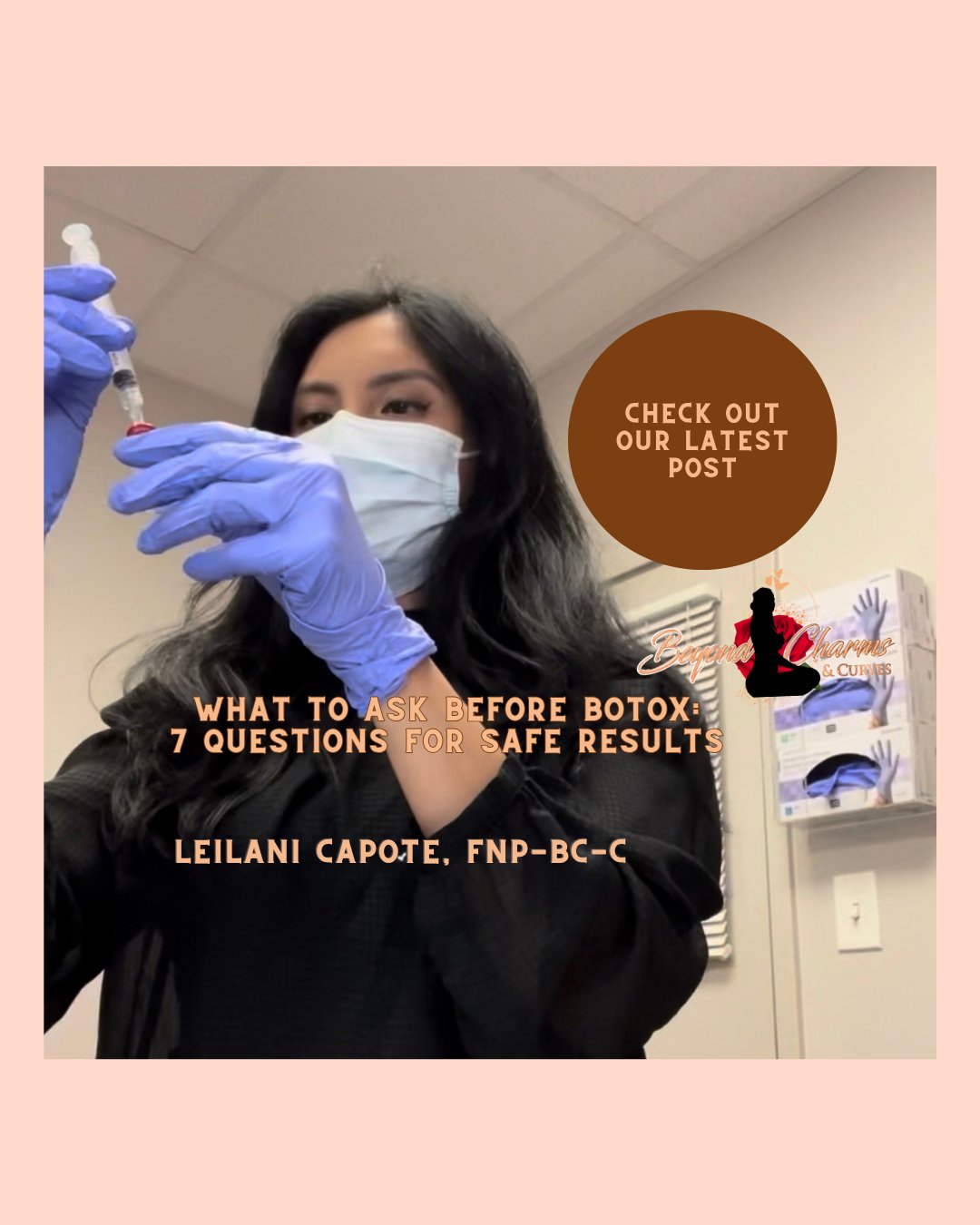
What to Ask Before Botox: 7 Questions for Safe Results
Table of Contents
- Why the Right Questions Before Botox Matter
- How to Choose a Botox Injector: Credentials to Verify
- Medical History and Allergy Questions to Ask
- Botox Pre-Treatment Instructions: What to Do Before Your Appointment
- Botox Side Effects and Risks: What to Ask About
- How Long Does Botox Last and What Affects It
- Psychological Readiness and Long-Term Maintenance
- Your Consultation Checklist: Questions to Ask Your Injector
- Frequently Asked Questions
Last Updated: October 9, 2026
Why the Right Questions Before Botox Matter
Knowing what to ask before Botox turns a nervous first visit into a calm, informed one. Botox is a neuromodulator, a purified protein that relaxes the small muscles behind frown lines and crow's feet.
Here's the part most people skip: a good result starts before the needle ever appears. Your medical history, your goals, and your provider's credentials all shape what happens next.
This guide covers the seven questions that matter most, plus the red flags that should send you out the door.
How to Choose a Botox Injector: Credentials to Verify
The best way to choose a Botox injector is to verify credentials first, then judge the consult. Ask who will actually perform the injection, and confirm that person is a licensed medical professional.

A few things to check:
- Is the injector a physician, nurse practitioner, physician assistant, or registered nurse?
- Does the clinic use FDA-cleared products from sealed vials?
- Will they show you the product packaging before treatment?
You can learn more about how injectables are regulated through the FDA's information on botulinum toxin products.
Red Flags in Injector Credentials
Walk away if the clinic won't name your injector, offers Botox at a "party," or pressures you into a same-day decision. Other warning signs include no medical history review, no consent process, and vague answers about who handles complications.
A provider who rushes you is a provider who will rush your face.
Medical History and Allergy Questions to Ask
A full medical history review is not optional. Tell your injector about every medication, supplement, and condition, even ones that seem unrelated. This is where safety actually gets decided.
Specific things to mention:
- Blood thinners, including aspirin and prescription anticoagulants
- Muscle or nerve conditions
- Prior facial surgery or fillers
- Pregnancy or breastfeeding
- Known allergies, especially to albumin or prior botulinum products
The CDC's guidance on botulism and antitoxin explains why certain neuromuscular conditions require extra caution.
Botox Pre-Treatment Instructions: What to Do Before Your Appointment
Skip alcohol for 24 hours and cut back on caffeine the day of your visit. Both can raise your chance of bruising. Avoid aspirin, ibuprofen, and fish oil for about a week if your doctor approves.
On treatment day:
- Come with a clean face, no makeup if possible
- Eat something light beforehand
- Plan to stay upright for a few hours after
- Skip strenuous exercise for the rest of the day
Medications and Supplements to Mention
Bring a written list. Include vitamins, herbal supplements, and anything you take for headaches or allergies. Some supplements, like ginkgo and high-dose vitamin E, can thin your blood.
Honesty here protects your results.
Botox Side Effects and Risks: What to Ask About
Common side effects include bruising, swelling, and mild headache, and they usually fade within days. Less common but more serious risks include eyelid drooping, called ptosis, and asymmetry. Ask your provider how often they see these issues and how they handle them.
Questions worth asking:
- What are the signs of an adverse reaction?
- Who do I call after hours?
- What is your revision policy if results are uneven?
No injectable is risk-free, so a provider who claims otherwise is telling you something important.
How Long Does Botox Last and What Affects It
Botox typically lasts three to four months, but that range is a starting point, not a guarantee. The reason comes down to how the product works. Botulinum toxin type A blocks the release of acetylcholine at the nerve ending, which stops the muscle from receiving the signal to contract. The muscle relaxes, the skin above it smooths out, and dynamic lines soften. Over weeks, your body grows new nerve endings and the signal returns. The muscle wakes up, the line comes back, and you are due for another treatment.
Several factors push that timeline shorter or longer:
- Metabolism. A faster metabolism tends to clear the effect sooner. This is one reason younger patients sometimes need more frequent appointments than older ones.
- Muscle strength. Stronger, more active muscles, like the glabellar complex between the brows, often chew through the effect faster than smaller, quieter areas.
- Dose. A lower starting dose may look natural but fade sooner. A higher dose may last longer but risks a frozen look if it is not matched to your anatomy.
- Post-treatment behavior. Rubbing the area, lying face-down, or jumping into a hot yoga class within the first few hours can move the product away from the target muscle.
- Immune response. A small number of patients develop antibodies to the protein over time, which can make future treatments less effective. This is uncommon but worth knowing if you notice results fading faster than they used to.
What Happens After Years of Regular Treatment
Most guides stop at the four-month mark. The more useful question for anyone planning to keep up with Botox is what happens after five or ten years of consistent treatment.
A common pattern is that dynamic wrinkles, the ones that appear only when you move your face, may stay softer for longer between appointments. Static wrinkles, the ones visible even at rest, are a different story.
Stopping treatment does not make wrinkles worse than they would have been without Botox. The muscle simply returns to its baseline activity, and the lines gradually return to where they were headed.
Ask your provider how they track dosing over time. A clinic that keeps notes on your previous units, product, and response can adjust your plan instead of starting from scratch every visit.
Psychological Readiness and Long-Term Maintenance
Most Botox guides treat the decision as a purely physical one: avoid alcohol, skip aspirin, show up with a clean face. That leaves out the part that often determines whether a patient is happy six months later. Psychological readiness matters just as much as medical readiness, and a good provider screens for both.
Why the Consultation Should Include a Mental Health Check
Body dysmorphic disorder (BDD) is a condition in which a person becomes preoccupied with a perceived flaw in their appearance that others either cannot see or see as minor. People with BDD often seek cosmetic procedures, and the results are frequently disappointing, not because the injector did poor work, but because the underlying distress does not respond to a change in the mirror.
A responsible provider watches for a few patterns during the consultation:
- Fixation on a flaw others cannot see. If you point to a line and the provider genuinely cannot identify it, that is worth discussing.
- Repeated procedures with no satisfaction. A history of multiple providers, multiple treatments, and still feeling unsatisfied is a signal to pause.
- Bringing in photos of celebrities or filtered images. A reference photo can be useful. A demand to look like a specific person is a different conversation.
- Pressure from a life event. Weddings, reunions, and breakups are common triggers. They are not disqualifying, but they are worth naming out loud.
- Anxiety that does not ease after reassurance. If a provider explains the risks and limits clearly and you still feel a sense of dread, that feeling is information.
None of this means you should not get Botox. It means the consultation is the right place to talk about it. A provider who rushes past these questions is not doing you a favor.
Questions to Ask Yourself Before You Book
- Am I treating a specific concern I can describe, or chasing a feeling I cannot name?
- If the result is subtle, which is usually the goal, will I feel satisfied, or will I want more?
- Can I commit to ongoing appointments and the time they take?
- Do I understand that Botox softens lines but does not change bone structure, skin texture, or volume loss?
- Have I talked to anyone I trust about this decision?
The Long Game: Maintenance, Not a One-Time Fix
Botox is a routine, not an event. Results fade, and the muscle returns to its baseline activity. Over years of regular treatment, many patients notice that their dynamic lines stay softer for longer between appointments, because the muscle has spent less time creasing the skin. Static lines, the ones visible at rest, respond less to Botox because they involve changes to the skin itself.
Stopping treatment does not make you look worse than if you had never started. It simply returns you to your baseline. Some patients stretch their appointments over time. Others keep the same schedule for years. Both are normal.
Ask your provider how they handle patients who are unsure. The answer tells you as much about the clinic as any credential on the wall.
Your Consultation Checklist: Questions to Ask Your Injector
Bring this list to your appointment. A provider who welcomes these questions is a provider worth trusting.
Question | Why It Matters |
|---|---|
Who performs the injection? | Confirms credentials and skill |
What product and dose will you use? | Sets expectations for results |
What are the risks for my face? | Helps you weigh trade-offs |
How do I prep and recover? | Reduces bruising and downtime |
What is the cost and payment plan? | Avoids surprise bills |
Who handles complications? | Ensures you have support |
At Beyond Charms & Curves, our team walks you through every question above during a personalized consultation. We use FDA-cleared devices and advanced treatment protocols and build a plan around your goals, not a template.
Frequently Asked Questions
What should I ask my provider during a Botox consultation?
Ask about the injector's license and training, which product they plan to use, how many units they recommend for your treatment goals, and what results you can realistically expect. Bring up your medical history, including any blood thinners or allergies. Ask what side effects are common, what aftercare looks like, and what the plan is if you are not happy with the outcome. A good provider welcomes these questions and answers them without rushing you.
How can I verify the qualifications of my Botox injector?
Ask directly whether the injector is a licensed medical professional, such as a physician, nurse practitioner, or registered nurse, and whether they trained specifically in facial injectables. You can check your state's medical board or nursing board license lookup. Also ask who supervises the practice and whether a physician is available for complications. Providers who are board-certified and transparent about their training are usually the safest choice.
What are the common side effects I should ask about before Botox?
Ask about bruising, swelling, and mild headache, which are the most common reactions. Also ask about rare but serious risks like ptosis (a drooping eyelid) and asymmetry. A qualified injector will explain how often these happen, how long they last, and what can be done if they occur. Knowing the difference between normal side effects and warning signs helps you decide when to call the office.
How long does Botox typically last and what should I expect?
Results usually last three to four months, though this varies by person, treatment area, and dose. Dynamic wrinkles on the forehead and around the eyes often respond fastest, while deeper lines may need a follow-up visit. Ask your injector about a maintenance schedule and whether touch-ups are included. Long-term use can gradually soften lines, but results are not permanent, so plan for repeat treatments to keep the effect.
Choosing where to get Botox is a real decision, and it deserves real questions. A provider who answers them clearly, explains the risks, and respects your goals is the one who will give you natural-looking results. Beyond Charms & Curves offers customized treatment plans, physician-guided care, and an exclusive membership program for ongoing Botox treatments. Get started with Beyond Charms & Curves and book a consultation to see what fits your face and your budget.