 ultimate-guide
Downtime for Medical Spa Treatments: A Complete Guide
Table of Contents
- What Is Downtime for Medical Spa Treatments?
- Botox Downtime: What to Expect
- Dermal Filler Recovery: Timeline and Side Effects
- Microneedling Downtime: Healing and Aftercare
- Medical Spa Aftercare: Essential Steps for Optimal Results
- Social Downtime vs. Medical Restrictions: Know the Difference
- Planning Your Treatment: Choosing Low-Downtime Options
- Conclusion
- Frequently Asked Questions
Last Updated: October 13, 2026
What Is Downtime for Medical Spa Treatments?
Downtime for medical spa treatments refers to the recovery period after a procedure when your skin needs time to heal before you can return to normal activities. It's the window between your appointment and when you feel comfortable going back to work, exercising, or attending social events without visible signs of treatment.
Understanding downtime matters because it shapes your expectations and planning. Some treatments require just a few hours of rest. Others demand several days of limited activity and careful aftercare.
At Beyond Charms & Curves, we help you choose treatments that fit your lifestyle. Our team explains exactly what to expect during recovery so you can schedule appointments strategically around your work and personal commitments. Knowing the realistic downtime for medical spa treatments helps you make informed decisions about which procedures align with your schedule.
Botox Downtime: What to Expect
Botox recovery is relatively straightforward, which is why it remains one of the most popular aesthetic treatments. Most people experience minimal downtime for medical spa treatments with Botox, though a few precautions matter in the first 24-48 hours.
Immediately after your injection, you may notice slight redness or mild swelling at the injection sites. These typically fade within a few hours. Some clients report minor bruising, though this is uncommon.
The critical period is the first 24 hours. Avoid lying down, bending over, or applying pressure to treated areas. Don't exercise or do activities that raise your heart rate significantly, increased blood flow can spread the product beyond intended areas.
Results aren't immediate. Botox typically takes 3-7 days to show noticeable effects, with full results visible after two weeks. During this waiting period, your face may feel slightly stiff or heavy, this is normal and temporary. Most people feel completely back to normal within a week.
Dermal Filler Recovery: Timeline and Side Effects
Dermal fillers require slightly more downtime for medical spa treatments than Botox, though recovery remains manageable for most people. The extent depends on the filler type, injection depth, and your individual healing response.
Immediately after your appointment, expect redness, swelling, and possible bruising at injection sites. These are normal inflammatory responses as your body adjusts to the filler material. Swelling typically peaks within the first 24-48 hours, then gradually subsides over 3-5 days.
For the first 24-48 hours, follow similar precautions as Botox: avoid lying down, intense exercise, excessive heat, and pressure on treated areas. Don't touch or massage the injection sites, as this can displace the filler. Sleep elevated to minimize swelling.
By day 3-4, most swelling resolves enough that you can return to normal activities and social settings without obvious signs of treatment. However, mild swelling or slight asymmetry may persist for up to two weeks as the filler settles into place.
| Recovery Phase | Timeline | What to Expect | Activity Level |
|---|---|---|---|
| Immediate | First 24 hours | Redness, swelling, possible bruising | Rest, minimal activity |
| Early | Days 2-3 | Swelling peaks then begins to fade | Light activity only |
| Settling | Days 4-7 | Swelling mostly gone, minor asymmetry possible | Normal activities resume |
| Final | Weeks 2-3 | Full results visible, all swelling resolved | Fully normal |
Microneedling Downtime: Healing and Aftercare
Microneedling creates controlled micro-injuries to stimulate collagen production, so downtime for medical spa treatments with microneedling is more noticeable than injectables. Your skin needs dedicated recovery time to heal properly and maximize results.
Immediately after treatment, your skin will be red and may feel warm or tender, similar to a mild sunburn. This redness typically lasts 24-72 hours. You'll also notice slight swelling, particularly around the eyes and cheeks.
The first 48 hours are critical for healing. Your skin is more sensitive and vulnerable to irritation. Avoid makeup, harsh skincare products, and anything that could introduce bacteria.
By day 3-4, redness fades significantly, though your skin may still appear slightly pink. You can gently resume basic skincare and light makeup if needed.
The real recovery, collagen remodeling, happens beneath the surface over 4-6 weeks. During this time, avoid direct sun exposure and use broad-spectrum SPF 30 or higher daily. Results improve progressively as collagen builds.
Medical Spa Aftercare: Essential Steps for Optimal Results
Proper aftercare directly influences how quickly you heal and how well your results develop.
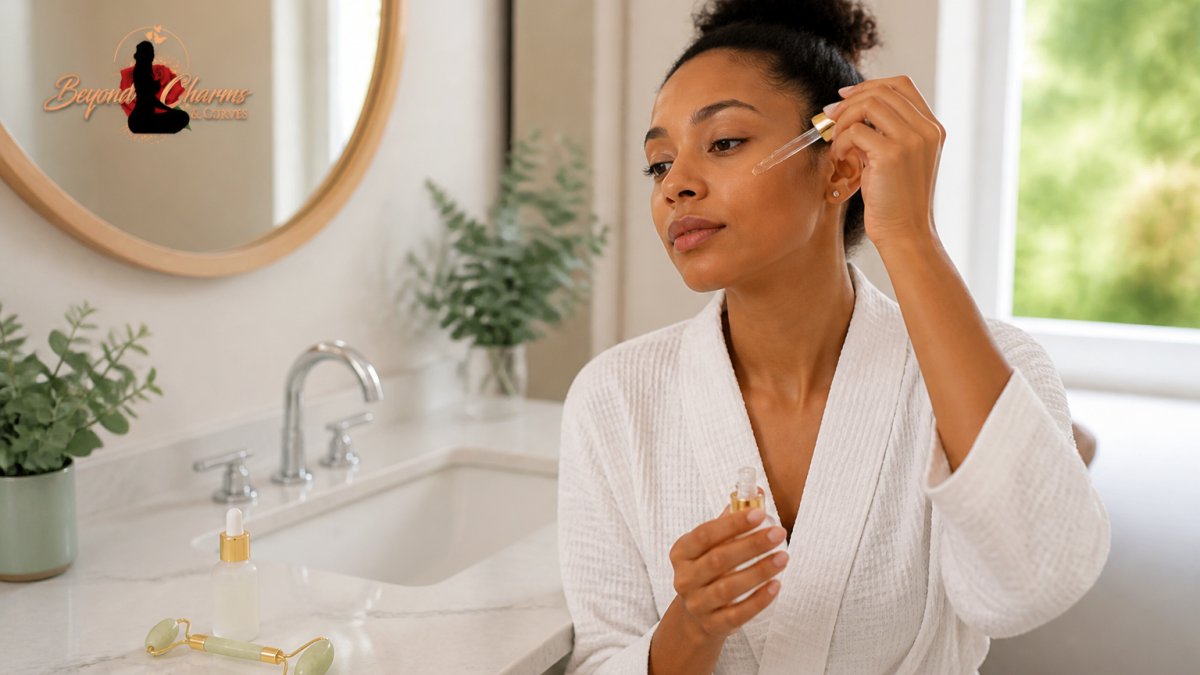
Keep treated areas clean but gentle. Use lukewarm water and a mild, fragrance-free cleanser. Avoid scrubbing or applying pressure. Pat skin dry gently rather than rubbing.
Hydration is essential. Drink plenty of water to support skin healing from the inside. Avoid alcohol for at least 48 hours after treatment, as it can increase swelling and slow healing.
Sun protection is non-negotiable. Treated skin is more vulnerable to UV damage and hyperpigmentation. Use broad-spectrum SPF 30 or higher daily, even indoors.
Avoid certain products temporarily. Don't use retinoids, vitamin C serums, or exfoliating acids for at least 3-5 days after treatment. These can irritate healing skin.
Sleep matters too. Position yourself to avoid putting pressure on treated areas. Sleeping on your back is ideal for the first few nights after facial treatments.
Social Downtime vs. Medical Restrictions: Know the Difference
You might have zero social downtime but significant medical restrictions. For example, after Botox, you may look completely normal after a few hours, but your provider still recommends avoiding intense exercise for 24-48 hours because increased blood flow can affect how the product distributes.
Conversely, some treatments have social downtime but minimal medical restrictions. A light chemical peel might leave your skin noticeably flaky or red for 3-4 days (social downtime), but once healing begins, you can return to normal activities immediately (minimal restrictions).
Planning your treatment requires accounting for both. If you have an important presentation next week, you need to consider not just when you'll look normal, but also whether you'll feel comfortable sitting under fluorescent lights or wearing heavy makeup over treated skin.
Beyond Charms & Curves helps you navigate this distinction. During your consultation, we explain both the social timeline and the medical restrictions specific to your chosen treatment, so you can schedule strategically around your actual life.
Planning Your Treatment: Choosing Low-Downtime Options
If downtime concerns you, several aesthetic treatments offer minimal recovery periods while still delivering meaningful results.
Injectables (Botox and dermal fillers) offer the lowest downtime for medical spa treatments among professional aesthetic procedures. You can typically return to work the same day.
Non-ablative laser treatments (like IPL photofacials) use light energy to improve skin tone and texture without creating visible wounds.
Chemical peels vary by strength. Light peels cause minimal downtime, mild redness and slight flaking for a day or two.
Microneedling sits in the middle range. It requires 3-5 days of visible recovery but delivers strong results for skin texture and collagen stimulation.
Skin tightening treatments (radiofrequency or ultrasound-based) offer no downtime, you can return to all activities immediately.
Consider your schedule, your comfort with visible signs of treatment, and your desired results when choosing.
People willing to plan ahead: microneedling or medium-strength chemical peels deliver stronger results if you schedule them around a long weekend or vacation.
Those seeking gradual, invisible improvement: radiofrequency skin tightening or light chemical peels require zero downtime and work well for ongoing maintenance.
Conclusion
Downtime for medical spa treatments varies widely depending on the procedure, your individual healing, and what you mean by "recovery." Some treatments let you return to work the same day. Others require strategic planning around a long weekend. The key is understanding both the social timeline, when you'll look like yourself, and the medical restrictions, when your skin is genuinely ready for normal stress.
At Beyond Charms & Curves, we help you choose treatments that fit your life. During your consultation, we explain realistic recovery expectations, answer your specific concerns about downtime, and create a personalized treatment plan that aligns with your schedule and goals. Our team uses FDA-cleared devices and evidence-based aftercare protocols to support optimal healing.
Ready to explore which treatment makes sense for you? Book a consultation with Beyond Charms & Curves today. We'll discuss your concerns, show you realistic downtime timelines, and help you plan treatments that deliver the results you want without disrupting your life.
Frequently Asked Questions
What is downtime in medical spa treatments?
Downtime refers to the period after a treatment when your skin is healing and you may experience visible side effects like redness, swelling, or sensitivity. This differs from social downtime, the time you might want to avoid being seen in public. Medical downtime includes restrictions on activities like swimming, exercise, or sun exposure that could affect healing. Most aesthetic treatments have minimal downtime, allowing you to return to work and daily activities quickly, though you may need to adjust your skincare routine and avoid certain activities temporarily.
How long is downtime after Botox?
Botox typically has minimal downtime. You can return to work and most normal activities immediately after your appointment. Some people experience mild redness or slight bruising at injection sites, which usually fades within a few hours to a day. Avoid rubbing the treated area, strenuous exercise, and lying flat for the first 4 hours after treatment. Results develop gradually over 3-7 days and continue improving for up to 2 weeks. Your practitioner will provide specific post-treatment instructions during your consultation.
What should I do after dermal filler injections?
After dermal filler treatment, expect some redness and swelling that typically subsides within 24-48 hours. Avoid touching the injection sites, applying makeup for at least 6 hours, and strenuous activity for 24 hours. Sleep with your head elevated to minimize swelling, and use ice packs if recommended by your practitioner. Avoid hot tubs, saunas, and intense sun exposure for a few days. Most people return to work the next day. Bruising is possible and may last up to a week. Your medical spa aftercare instructions will guide your specific recovery.
Can I go back to work after a medical spa treatment?
Most aesthetic treatments have minimal downtime, and many people return to work the same day. Botox and some laser treatments require no downtime at all. Treatments like microneedling or certain skin resurfacing may cause visible redness, so you might prefer to schedule them when you can work from home or have a day off. Discuss your work schedule with your practitioner during your consultation, they can help you choose treatments that fit your lifestyle or adjust your treatment plan accordingly. Always follow post-treatment restrictions on activity and sun exposure, even if you're back at your desk.
How do I know if my skin is healing properly after treatment?
Normal healing includes mild redness, slight swelling, and possible tightness that gradually improve over days or weeks depending on the treatment. Your skin may feel sensitive or tight initially. Follow your medical spa aftercare instructions carefully: use gentle skincare products, avoid irritants, and protect your skin from sun exposure. Contact your practitioner if you experience persistent pain, severe swelling that doesn't improve, signs of infection, or any unexpected reactions. Regular follow-up appointments help ensure you're healing well and achieving your desired results.
What recovery restrictions should I follow after aesthetic treatments?
Most aesthetic treatments require temporary restrictions on activities and products. Common restrictions include avoiding strenuous exercise for 24-48 hours, staying out of direct sunlight, skipping hot tubs and swimming, and delaying certain skincare products or makeup. Avoid touching treated areas and don't sleep on your face immediately after treatment if possible. Restrictions vary by treatment type, some require only a few hours of precautions, while others need several days. Your practitioner will explain exactly what to avoid and for how long during your post-treatment consultation to ensure proper healing.
Are there treatments with no downtime at all?
Yes, several aesthetic treatments have minimal to no downtime. Botox, certain IPL photofacials, and some non-ablative laser treatments typically allow you to return to normal activities immediately. Redness or slight irritation may occur but usually fades within hours. No-downtime treatments don't mean no precautions, you'll still need to follow aftercare instructions like avoiding sun exposure and using gentle skincare. If you have limited time off work or want to minimize visible side effects, discuss no-downtime or low-downtime options with your medical spa practitioner during your consultation.