 how-to
7 IPL Recovery Facts: How Long Your Face Takes to Heal
Last Updated: November 9, 2026
Quick Summary
IPL recovery usually takes about a week for most people, with the first two days being the most noticeable. Redness peaks in the first 24 to 48 hours and usually fades within 3 to 7 days, while flaking starts around day 3 and resolves within a week.
- Expect a sunburn sensation that fades within hours to a day after treatment.
- Mild swelling is typically gone within 2 to 3 days.
- Wait about 24 hours before applying makeup, or until redness calms.
- Skip exfoliation, retinoids, and acids for at least a week, or until flaking stops.
- Call your provider if redness lasts beyond two weeks or pigment looks darker.
Table of Contents
- What to Expect After IPL on Face: A Day-by-Day Guide
- 1 Week Post IPL Healing Stages: What Normal Looks Like
- Side Effects of IPL on Face: Normal Reactions vs. Red Flags
- IPL Aftercare: The Dos and Don'ts for the First Week
- How Skin Type and Lifestyle Affect Your IPL Recovery
- Troubleshooting a Slow or Uneven IPL Recovery
- Book Your IPL Photofacial Consultation
- Frequently Asked Questions
What to Expect After IPL on Face: A Day-by-Day Guide
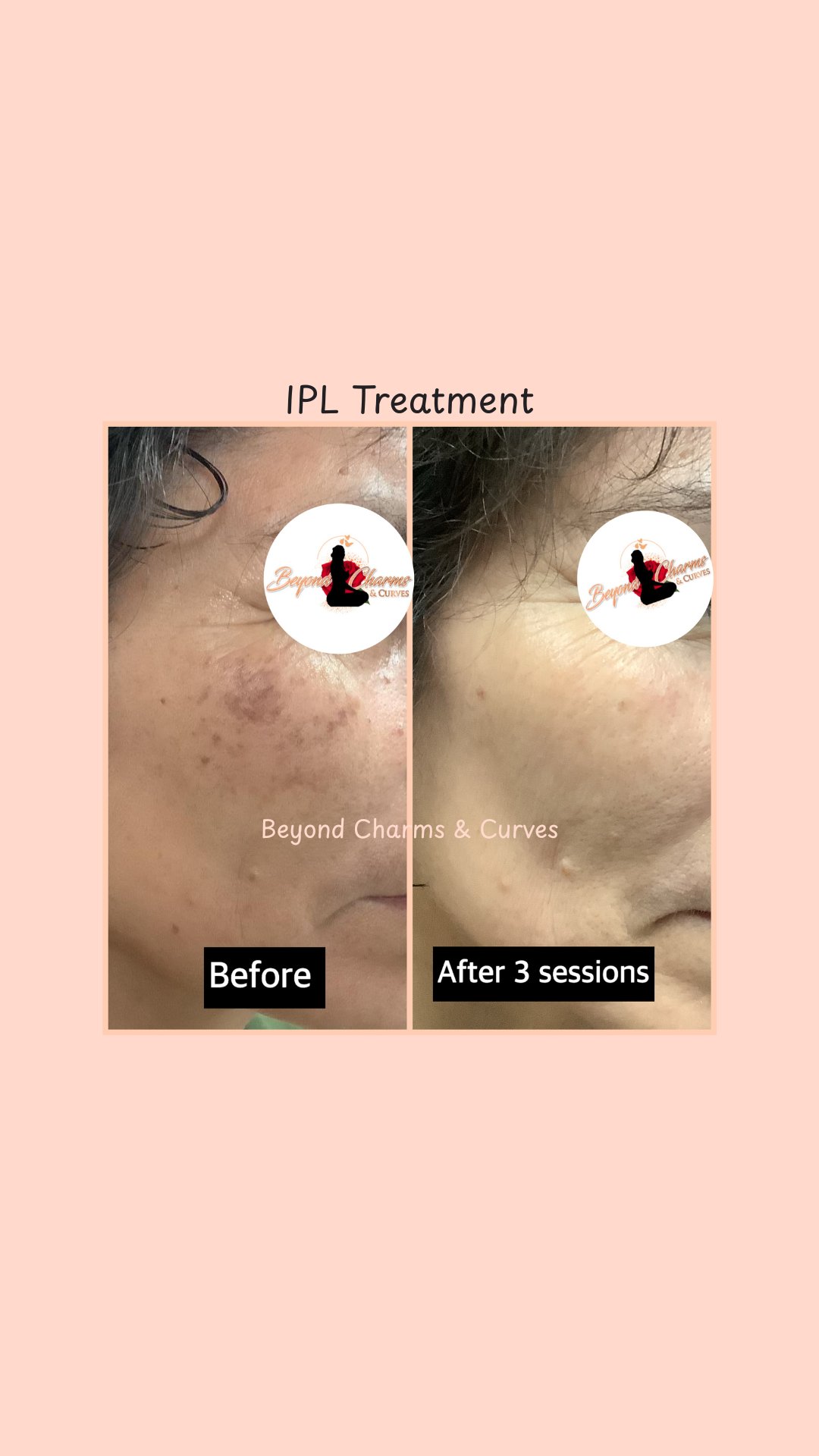
Most people want to know one thing before an IPL photofacial: how long will my face look like this? The short answer is that IPL recovery usually takes about a week for most people, with the first two days being the most noticeable. Intense pulsed light, or IPL, is a non-invasive treatment that uses broad-spectrum light to target pigmented lesions, sun damage, and vascular lesions on the face.
Below, we break down what to expect, day by day, so you can plan your week with confidence.
Days 1 to 2: Heat, Redness, and Sunburn Sensation
The first 48 hours bring the most visible changes. Expect erythema (redness) and mild edema (swelling) in the treatment area. Many patients describe a sunburn sensation, a warm, tight feeling that fades within hours.
A cold compress helps. So does a gentle cleanser and a plain moisturizer. Skip anything active.
Days 3 to 7: Flaking and Fading
By day three, redness usually settles into a pinkish tone. Pigmented lesions may darken before they flake off. This epidermal peeling is normal and part of the healing process. Do not pick at it.
Flaking typically resolves within a week. Skin underneath often looks brighter.
1 Week Post IPL Healing Stages: What Normal Looks Like
One week in, most patients see calmer skin and fading pigment. Mild sensitivity can linger, and a few spots may still flake. This is the stage where collagen production begins responding to treatment.
If you want to compare your week-one experience against a wider view of recovery across treatments, our guide to downtime for medical spa treatments puts it in context.
What normal looks like at one week:
- Redness mostly gone or very mild
- Flaking nearly finished
- Skin feels slightly tight or dry
- Pigment spots look lighter
Side Effects of IPL on Face: Normal Reactions vs. Red Flags
Most side effects of IPL on face are mild and short-lived. Knowing what is normal and what is not helps you respond calmly and get help if you need it.
Normal reactions and when they should fade:
- Redness (erythema): Peaks in the first 24 to 48 hours and usually fades within 3 to 7 days.
- Swelling (edema): Mild puffiness around the treated area, typically gone within 2 to 3 days.
- Sunburn sensation: A warm, tight feeling that fades within hours to a day.
- Flaking and peeling: Starts around day 3 and resolves within a week. Do not pick at it.
- Darkening of pigmented spots: Spots may look darker before they flake off. This is expected and part of the process.
- Bruising: Can happen around vascular lesions and usually fades on its own within a week or two.
Red flags that warrant a call to your provider:
- Blistering or oozing
- A spreading rash or hives
- Fever
- Pain that gets worse instead of better
- Signs of infection such as warmth, spreading redness, or pus
- Redness that lasts beyond two weeks
- Pigment that looks darker or new dark patches appearing
Post-inflammatory hyperpigmentation can occur, especially in deeper skin tones (Postinflammatory Hyperpigmentation). Mention any darkening to your provider so they can advise you on next steps.
Skin Type and Recovery
On the Fitzpatrick scale, lighter skin types often see faster recovery, while deeper tones carry a higher risk of post-inflammatory hyperpigmentation and may need a longer, gentler course. Melanin absorbs light differently, so your provider adjusts settings to your skin. If you have a darker skin tone, ask about test spots and a conservative first session.
When to Contact Your Provider
Call your provider if you notice blistering, oozing, or signs of infection such as warmth and spreading redness. Also call if pigment changes concern you. Safety standards for medical spa procedures exist for a reason, and our guide to safety standards for medical spa procedures outlines what should govern your care.
Worried about discomfort during healing? Our article on whether medical spa treatments are painful explains what to expect.
Here is a quick reference for the normal reactions and how long each one typically lasts.
Reaction | What it looks like | When it fades |
|---|---|---|
Redness (erythema) | Peaks in first 24 to 48 hours | Usually 3 to 7 days |
Swelling (edema) | Mild puffiness around treated area | Typically 2 to 3 days |
Sunburn sensation | Warm, tight feeling | Hours to a day |
Flaking and peeling | Starts around day 3 | Within a week |
Darkening of pigmented spots | Spots look darker before flaking off | Part of the process |
Bruising | Around vascular lesions | A week or two |
IPL Aftercare: The Dos and Don'ts for the First Week
Good IPL aftercare protects your skin barrier and supports the healing process. Keep it simple: cleanse gently, moisturize, and protect. The first week matters most because your skin is more sensitive to heat, friction, and active ingredients.
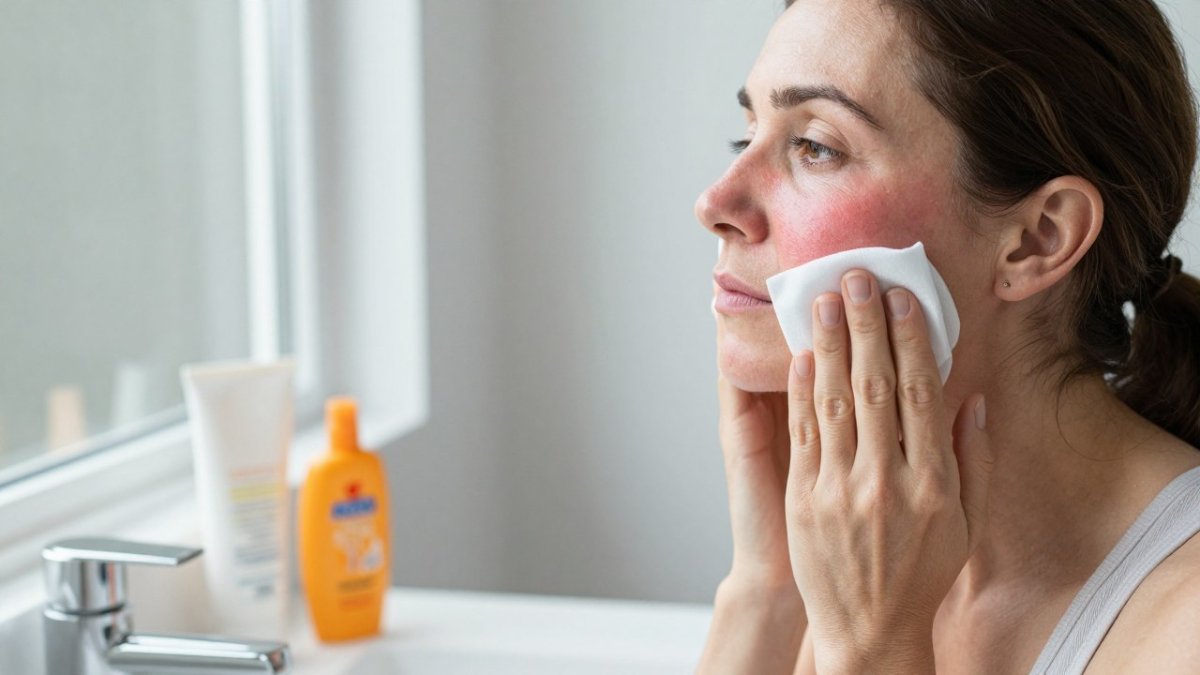
Do these:
- Use a gentle, fragrance-free cleanser twice a day. Lukewarm water is fine; hot water can worsen redness.
- Apply a broad-spectrum sunscreen with SPF 30 or higher every morning, and reapply every two hours if you are outside (the American Academy of Dermatology).
- Use cold compresses for 10 to 15 minutes at a time during the first 48 hours to ease swelling and heat.
- Moisturize with soothing ingredients such as ceramides, hyaluronic acid, or colloidal oatmeal. Ceramides help rebuild the barrier; hyaluronic acid adds hydration without irritation.
- Sleep with your head slightly elevated for the first night or two if swelling is noticeable.
Skip these:
- Exfoliation, retinoids, and acids (glycolic, salicylic, lactic) for at least a week, or until flaking stops completely.
- Hot showers, saunas, steam rooms, and hot yoga for the first 48 to 72 hours.
- Direct sun exposure on the treatment area. A wide-brimmed hat and shade are your best friends.
- Waxing, threading, or any other facial hair removal on treated areas for at least a week.
Makeup, Exercise, and Your Normal Skincare Routine
Makeup: Wait about 24 hours before applying makeup, or until redness calms. Choose a gentle, non-comedogenic formula and remove it softly with a mild cleanser. Avoid waterproof or heavy products that require scrubbing. Selecting the right light-based treatment requires understanding how different wavelengths interact with your specific skin concerns, a topic explored in depth by Balwin Aesthetics.
Exercise: Gentle exercise is fine after a day or two, but skip heavy sweating for the first 48 hours. Sweat and heat can irritate freshly treated skin. If you do work out, rinse your face with cool water afterward and pat dry.
Skincare actives: Hold off on your usual skincare regimen actives until flaking stops. That means no vitamin C serums, no retinoids, no exfoliating toners, and no spot treatments with benzoyl peroxide or salicylic acid. Once flaking is done, reintroduce one product at a time every few days.
Watch out: Resuming actives too soon is a common cause of prolonged redness and irritation. If your skin stings when you apply a product, stop and wait a few more days.
Choosing Recovery Products Without Overspending
You do not need a shelf full of special products. A plain, fragrance-free moisturizer with ceramides or hyaluronic acid and a gentle cleanser cover most needs. Ceramides support the skin barrier, while hyaluronic acid draws in water. A cool compress and a broad-spectrum sunscreen round out the basics. Skip anything with alcohol, fragrance, or essential oils during the first week.
How Skin Type and Lifestyle Affect Your IPL Recovery
Skin type matters. Generally, lighter skin types often see faster recovery, while deeper tones carry a higher risk of post-inflammatory hyperpigmentation. Melanin absorbs light differently, so your provider adjusts settings to your skin.
Lifestyle plays a role too. Smoking, alcohol, and poor sleep can slow the healing process. Sun exposure during recovery is the biggest setback risk. Plan treatment around travel and outdoor events.
Troubleshooting a Slow or Uneven IPL Recovery
Uneven fading is common and rarely a problem. Pigment often clears in patches rather than all at once. A slow recovery can stem from too much sun, picking at flaking skin, or using actives too soon.
If redness lasts beyond two weeks or pigment looks darker, tell your provider. They may adjust your next session or recommend a soothing regimen. Patience and sun protection do most of the work.
Book Your IPL Photofacial Consultation
Recovery from an IPL photofacial is usually short, but it is not nothing. Planning a quiet week and sticking to simple aftercare makes the process smoother. If you are ready to see what IPL can do for your skin tone and texture, we can help. Book your IPL photofacial consultation to get started. Our team builds a customized treatment plan around your goals. Curious what IPL offers beyond recovery? Read about IPL photofacials and skin rejuvenation first.
Every patient heals at their own pace, and the best way to know what is right for your skin is a conversation with a licensed provider. At Beyond Charms & Curves, we pair personalized treatment plans with FDA-cleared devices and professional-grade skincare so your results look natural. Get started with Beyond Charms & Curves and book your IPL consultation today.
Frequently Asked Questions
How long does it take your face to heal from IPL?
Most people see redness and sunburn-like warmth settle within 24 to 48 hours, with flaking and fading over the next 3 to 7 days. Full IPL recovery on the face, meaning your skin feels and looks back to normal, usually takes about a week. Deeper pigmented lesions may darken and flake off over 7 to 14 days. Your provider can give you a more specific timeline based on your skin type and treatment settings.
Can I wear makeup after IPL treatment?
Wait at least 24 hours before applying makeup, and longer if your skin still feels warm or looks irritated. Your skin barrier is more sensitive right after treatment, and makeup can trap bacteria or cause irritation. When you do start again, use clean brushes and gentle, fragrance-free products. If you have any open areas or blistering, skip makeup entirely and contact your provider first.
What should I avoid after an IPL facial?
For the first week, skip retinoids, exfoliating acids, scrubs, and any active skincare ingredients. Avoid direct sun exposure and tanning beds, and wear broad-spectrum sunscreen with an SPF of 30 or higher every day. Hold off on hot yoga, saunas, and intense exercise for 24 to 48 hours, since heat and sweat can worsen redness. Also avoid picking or peeling flaking skin, which can lead to post-inflammatory hyperpigmentation.
When should I contact a provider about a reaction after IPL?
Call your provider if redness or swelling gets worse after 48 hours instead of better, if you develop blisters, crusting, or open sores, or if you notice dark patches that persist beyond two weeks. Signs of infection like spreading warmth, pus, or fever need prompt medical attention. Mild erythema, edema, and flaking are normal parts of the healing process, but anything that feels severe or unusual is worth a call.